


The splashdown of the Orion capsule on April 10, 2026, marks the definitive end of a 54-year wait. When the spacecraft hit the waters of the Pacific Ocean off the coast of San Diego at 5:07 p.m. PDT, it didn’t just carry four astronauts—it carried the momentum of a new era.
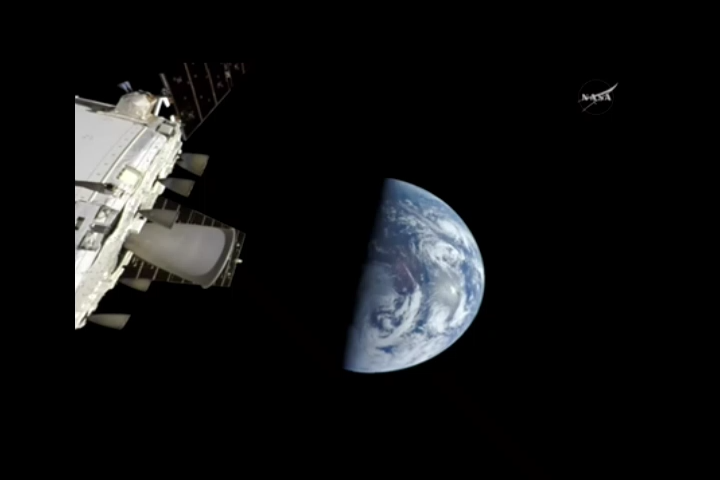
Here is a look at the successful reentry of Artemis II and what this triumph means for our future in the stars.
1. The Reentry: A Perfect “Skip” Through the Fire
Coming home from the Moon is vastly different from returning from the International Space Station. Orion hit the Earth’s atmosphere at roughly 25,000 mph (40,000 km/h)—about 30 times the speed of sound.
- The Heat Shield: To survive temperatures of 3,000°F (1,650°C), the capsule used a “skip entry” maneuver, much like a stone skipping across a pond. This allowed NASA to precisely target the landing site and reduced the G-forces felt by the crew.
- The Parachute Sequence: After the searing heat of reentry, a complex dance of 11 parachutes deployed in stages, slowing the craft from hundreds of miles per hour to a gentle 17 mph splashdown.
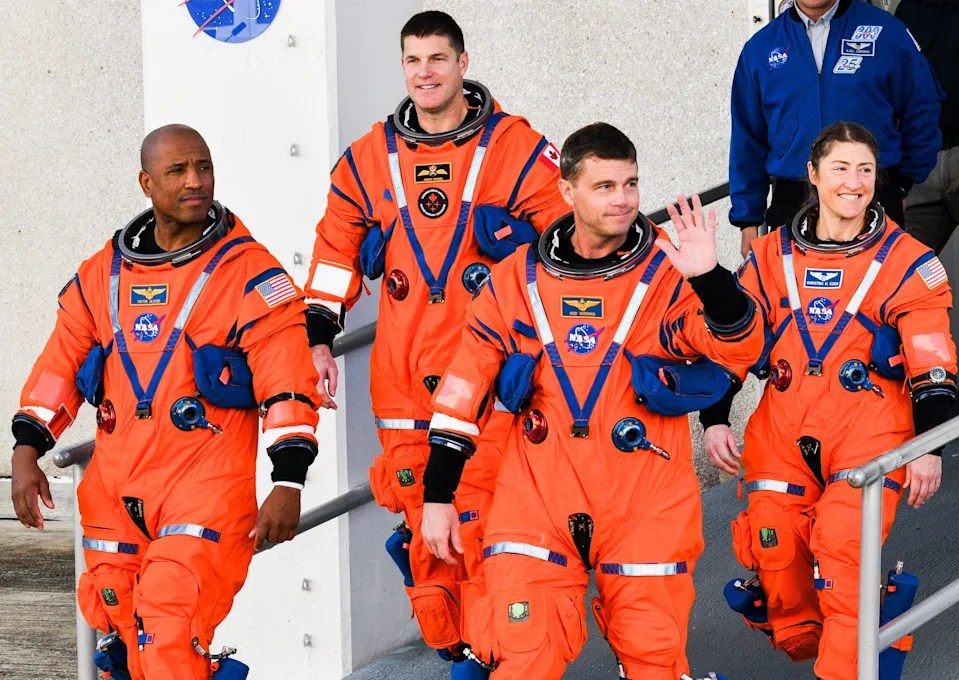
- The Crew: Commander Reid Wiseman, Pilot Victor Glover, and Mission Specialists Christina Koch and Jeremy Hansen emerged healthy, becoming the first humans to see the lunar far side with their own eyes since 1972.
2. Breaking Records
Artemis II wasn’t just a “repeat” of Apollo; it pushed the boundaries of how far humans can go.
- Deepest Space Reach: The crew traveled further from Earth than any human in history, surpassing the record set by Apollo 13 by reaching a distance of over 250,000 miles.
- Diversity in Exploration: This mission marked the first time a woman (Koch), a person of color (Glover), and a non-American (Hansen, representing Canada) have traveled to deep space.
3. What This Means for the Future
The success of Artemis II is the final “green light” for the most ambitious phase of the program.
The Artemis III Moon Landing
With the Orion life-support systems and heat shield now flight-proven with a crew, NASA is officially on track for Artemis III (currently targeted for 2028). This mission will land the first humans on the Lunar South Pole, a region rich in water ice that could be harvested for fuel and oxygen.
Establishing the Gateway
The data gathered during this 10-day mission regarding deep-space radiation and communication is vital for building the Lunar Gateway—a small space station that will orbit the Moon, serving as a “pit stop” for future lunar landings.
The Path to Mars
Every system tested on Artemis II—from the high-speed reentry to the Orion’s ability to protect the crew from solar radiation—is a building block for the three-year journey to Mars. The Moon is our proving ground; if we can survive the lunar environment, we can survive the trek to the Red Planet.
“We go to the Moon not as momentary visitors, but as bold pioneers.”
— Lori Garver, NASA Reference Guide 2026
The splashdown of Artemis II is more than a technical achievement; it is a signal to the world that humanity has once again become a multi-world species. We aren’t just looking at the Moon anymore—we are living in its shadow again, preparing to stay.
Video @https://youtube.com/@meme_nation8004?si=e_OVVkYiHklkeqvm
 Metropolitan