


The geopolitical landscape of the Middle East was rewritten on February 28, 2026, when the United States and Israel launched a massive, coordinated military offensive against the Islamic Republic of Iran. Codenamed “Operation Epic Fury” by the U.S. and “Operation Roaring Lion” (or Genesis) by Israel, the campaign has fundamentally shifted from the “shadow wars” of the past into a direct, high-intensity conflict aimed at regime change and the dismantling of Iran’s nuclear infrastructure.
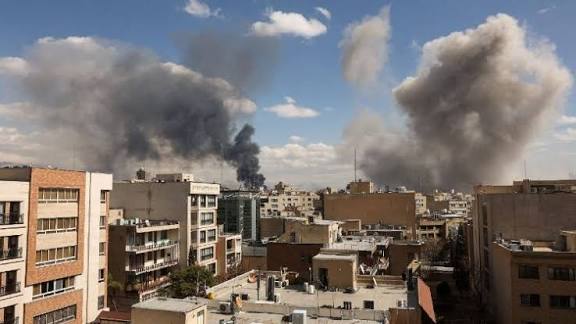
Here is a breakdown of the events that have transpired over the last few days and the current state of the region.
The Catalyst: From Diplomacy to “Epic Fury”
The strikes followed weeks of escalating “maximum pressure” by the Trump administration. Despite last-minute negotiations in Geneva and Muscat, the U.S. claimed that Iran’s nuclear program had reached a “point of no return.”
On the morning of February 28, President Donald Trump announced the launch of combat operations, framing it as a preemptive strike to prevent Iran from acquiring intercontinental ballistic missiles. He famously addressed the Iranian people, stating, “The hour of your freedom is at hand.”
Key Strategic Objectives:
- Regime Decapitation: High-precision strikes targeted the Pasteur Street district in Tehran. Reports indicate the assassination of Supreme Leader Ali Khamenei, along with several high-ranking IRGC commanders
- Nuclear Neutralization: While the IAEA reports no immediate radiological leaks, U.S. and Israeli forces have “systematically dismantled” key facilities in Natanz and Fordow.
- Air Superiority: Within 48 hours, the coalition struck over 2,000 targets, effectively achieving air superiority over Tehran and western Iran.
The Toll: Casualties and Human Impact
Verifying exact numbers remains difficult due to a nationwide internet blackout in Iran (operating at only 1% connectivity), but early reports paint a sobering picture.
| Side | Reported Casualties / Losses |
| Iran | Hundreds of military personnel; significant civilian casualties in Tehran and Isfahan; loss of the IRGC frigate Jamaran. |
| U.S. / Israel | At least three U.S. service members killed; several Israeli civilians injured by retaliatory strikes; 3 U.S. fighter planes reportedly downed in “friendly fire” or accidental errors in Kuwait. |
| Regional | Two members of the Popular Mobilization Forces (PMF) killed in Iraq; casualties in Bahrain and Qatar from Iranian counter-strikes. |
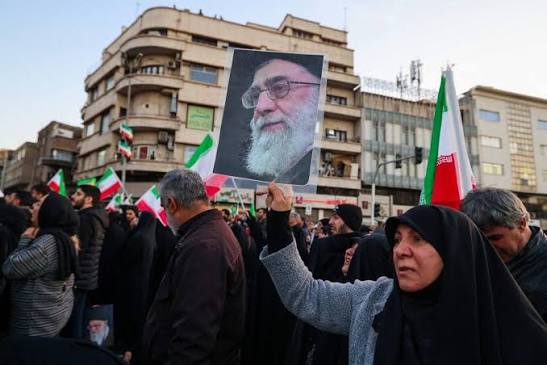
Note: The Iranian regime has used extensive force to suppress domestic protests that erupted alongside the strikes, further complicating the civilian death toll.
The Current Situation (as of March 2, 2026)
As of today, the conflict remains in a state of volatile expansion:
- Iranian Retaliation: Tehran has launched “reckless” missile and drone attacks against U.S. bases in Bahrain, Qatar, and the UAE. However, the volume of fire has decreased, suggesting the coalition’s degradation of Iranian launch sites is working.
- The “Axis of Resistance” Dilemma: Hezbollah is currently facing an existential crisis. While they have fired limited rockets into Israel—breaking the 2024 ceasefire—they have yet to launch a full-scale “revenge” campaign, likely fearing a similar decapitation of their own leadership.
- Internal Chaos: Large-scale protests are reportedly occurring in Iranian cities, though the internet blackout makes it impossible for activists to coordinate or share footage with the world.
- International Outcry: The UN Security Council has held emergency meetings, and the IAEA has expressed “strong frustration” over the failure of diplomacy, warning of the catastrophic risks of fighting near operational nuclear reactors like Bushehr.
What’s Next?
The world is watching to see if this “12-day war” (a reference to the brief 2025 skirmish) turns into a protracted occupation or if the internal collapse of the Iranian government occurs as the U.S. hopes. With the Strait of Hormuz at risk and global energy markets in a tailspin, the “Epic Fury” of 2026 is only just beginning to reveal its long-term scars.
 Metropolitan