


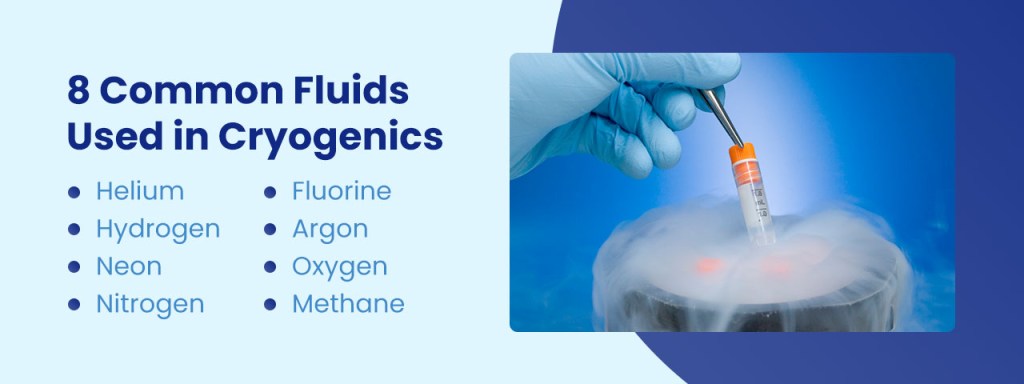
Cryogenics, the science of extremely low temperatures, has captivated the imagination of scientists and the public alike for decades. From freezing biological tissues for medical purposes to propelling rockets into space, cryogenics finds applications across various fields, each more fascinating than the last. This essay will explore the principles, applications, challenges, and future prospects of cryogenics.
At the heart of cryogenics lies the manipulation of matter at temperatures below −150°C (−238°F), typically using liquefied gases such as nitrogen and helium. These temperatures induce unique physical and chemical properties in materials, enabling scientists to unlock novel phenomena and technologies. Cryogenic liquids are used to cool down materials to their superconducting states, where electrical resistance drops to zero, allowing for efficient transmission of electricity and magnetic levitation.
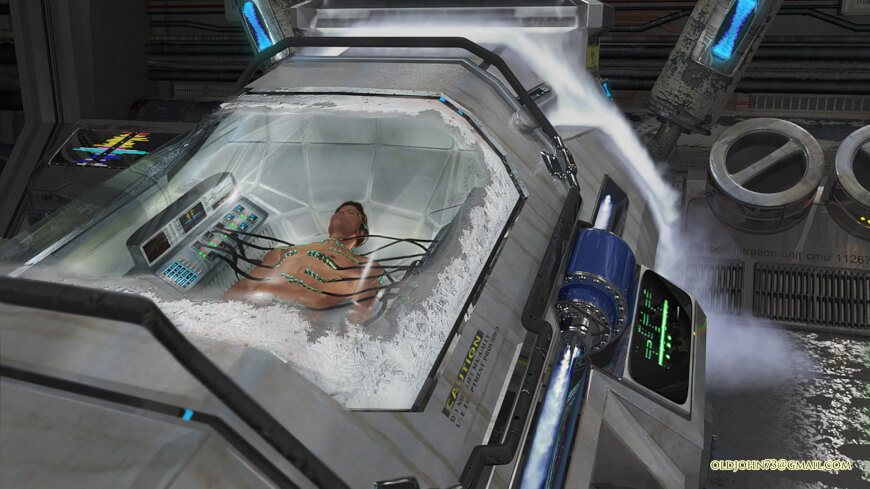
One of the most prominent applications of cryogenics is in the field of medicine. Cryopreservation, the process of preserving biological materials at low temperatures, holds promise for organ transplantation, tissue engineering, and regenerative medicine. By vitrifying organs and tissues, scientists aim to extend the viability of donated organs, ultimately saving countless lives. Furthermore, cryogenic storage of stem cells and genetic material offers hope for future therapies and treatments for various diseases.
Another notable application of cryogenics is in the aerospace industry. Liquid hydrogen and liquid oxygen, cryogenic propellants used in rockets, offer high energy densities and efficient combustion, making them ideal for space exploration. By storing these propellants at ultra-low temperatures, engineers can maximize their performance while minimizing weight and volume, enabling missions to distant planets and celestial bodies.
Furthermore, cryogenics plays a vital role in scientific research, particularly in physics and materials science. Superconducting magnets, cooled to cryogenic temperatures, are essential components of particle accelerators, magnetic resonance imaging (MRI) machines, and experimental fusion reactors. These magnets generate powerful magnetic fields without energy loss, facilitating fundamental research and technological advancements.
Despite its myriad applications, cryogenics poses several challenges. One such challenge is the energy-intensive nature of cryogenic systems. Maintaining ultra-low temperatures requires significant energy inputs, limiting the scalability and accessibility of cryogenic technologies. Moreover, the materials used in cryogenic systems must withstand extreme temperatures without degradation, necessitating the development of advanced materials and insulation techniques.
Safety is another concern in cryogenic applications. Cryogenic liquids, such as liquid nitrogen and liquid helium, can cause severe frostbite upon contact with skin and pose asphyxiation hazards in confined spaces due to oxygen displacement. Proper handling procedures, equipment design, and safety protocols are essential to mitigate these risks and ensure the safe operation of cryogenic systems.
Looking ahead, the future of cryogenics appears promising. Continued research and innovation hold the potential to overcome existing challenges and unlock new frontiers in science and technology. Advances in cryogenic engineering, materials science, and biotechnology will expand the capabilities of cryogenics, paving the way for breakthroughs in medicine, energy, and space exploration.
In conclusion, cryogenics represents a fascinating intersection of science, engineering, and innovation. From preserving life-saving organs to propelling humanity into the cosmos, cryogenic technologies have revolutionized countless industries and continue to push the boundaries of what is possible. As we venture further into the realm of ultra-low temperatures, the prospects for discovery and progress are boundless, promising a future where cryogenics plays an ever-expanding role in shaping the world we live in.
 Metropolitan