


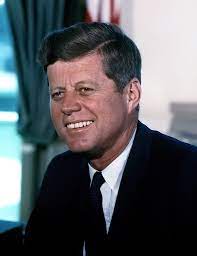
The assassination of President John F. Kennedy on November 22, 1963, in Dallas, Texas, remains one of the most significant and contentious events in American history. Despite numerous investigations and a plethora of conspiracy theories, the truth about JFK’s assassination continues to elude consensus. Decades of speculation, scrutiny, and research have only served to deepen the mystery surrounding that fateful day.
At the heart of the debate lies the Warren Commission’s official conclusion that Lee Harvey Oswald acted alone in assassinating President Kennedy. According to the Commission’s report, Oswald, perched on the sixth floor of the Texas School Book Depository, fired three shots at Kennedy’s motorcade with a Mannlicher-Carcano rifle. The Commission’s findings were instrumental in shaping the narrative of a lone gunman, offering closure to a grieving nation and cementing Oswald as the lone assassin in the public consciousness.
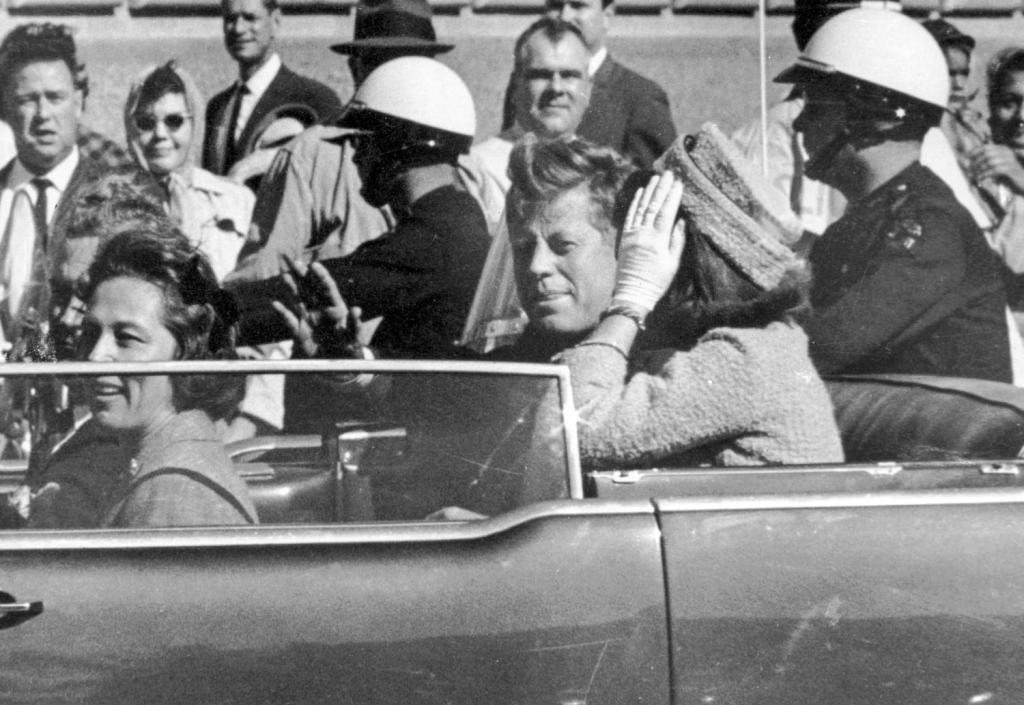
However, skepticism and doubt quickly emerged, fueled by inconsistencies in the official investigation and the emergence of alternative theories. One of the most prominent alternative theories posits that Oswald was part of a larger conspiracy involving rogue elements within the government, organized crime, or foreign powers. This theory suggests that Oswald may have been a patsy, manipulated by shadowy figures to take the fall for a meticulously orchestrated plot to remove Kennedy from power.
Supporters of the conspiracy theories point to a myriad of discrepancies and unanswered questions surrounding the assassination. The trajectory of the bullets, the forensic evidence, Oswald’s background and motivations, the suspicious deaths of key witnesses, and the alleged mishandling of the investigation by government agencies have all been scrutinized and debated extensively. Furthermore, the existence of multiple eyewitness accounts and conflicting testimonies has only served to muddy the waters further.
The enduring fascination with JFK’s assassination has led to countless investigations, documentaries, books, and films, each offering its interpretation of events and contributing to the proliferation of conspiracy theories. From the alleged involvement of the Mafia and Cuban exiles to the supposed collusion of intelligence agencies and high-ranking government officials, the range of theories is as diverse as it is bewildering.
Despite the absence of concrete evidence to definitively prove or disprove the various conspiracy theories, the quest for truth continues unabated. In recent years, advancements in forensic technology and the declassification of government documents have provided new avenues for investigation and renewed interest in unraveling the mystery of JFK’s assassination.
Ultimately, the truth about JFK’s assassination may never be fully known. The passage of time, the destruction or suppression of key evidence, and the deaths of central figures have conspired to shroud the events of November 22, 1963, in a veil of uncertainty. Nevertheless, the enduring legacy of President Kennedy and the lingering questions surrounding his untimely death serve as a reminder of the complexities and ambiguities of history.
In conclusion, the truth about JFK’s assassination remains elusive, obscured by layers of speculation, conspiracy theories, and official narratives. While the Warren Commission concluded that Lee Harvey Oswald acted alone, alternative theories persist, challenging the official account and fueling endless debate and speculation. As we continue to grapple with the legacy of JFK’s presidency and the circumstances surrounding his death, it is essential to approach the subject with skepticism, open-mindedness, and a commitment to uncovering the truth, however elusive it may be.
 Metropolitan