


REFLECTIONS
It is a pity that Africa is still talking of food shortages in a century where only digitalization and renewable energy seems to carry the day for most of the developed world. The situation becomes more unreal when you closely observe the patterns year after year only to realize the cycle keeps recurring. The unfortunate bit is the ‘curse’ can easily be broken if only corruption didn’t reign supreme in most African countries.
You see, it’s not that we blame drought or famine on our governments; not at all.It’s all natural phenomena since some parts of developing Asia also experience food insecurity from time to time. But this is not Asia and to some extent, governments are also to blame for the lack of enacting policies and legislations on renewable energy especially since 195 countries signed on the Paris Agreement of 2016. The agreement aims to substantially reduce global greenhouse gas emissions in an effort to limit the global temperature increase in this century to 2 degrees Celsius above preindustrial levels, while pursuing the means to limit the increase to 1.5 degrees- a small step for man, a giant leap for mankind they say.
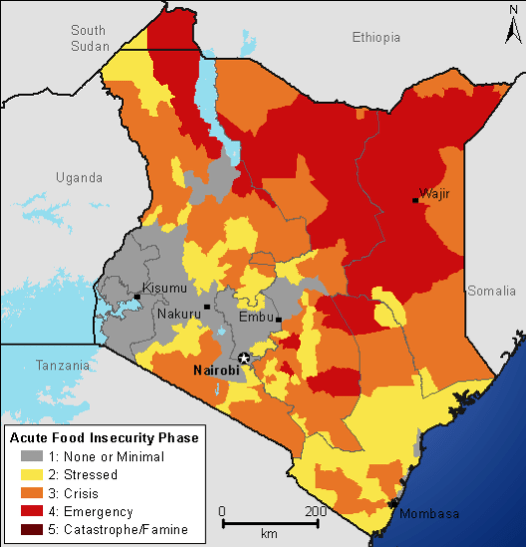
Back to the topic however after that short introduction on the current state of affairs .As I was explaining, patterns never lie, only our African leaders do; and they do it all the time. I’ll give an example of Kenya, my motherland. Our most arid and semi-arid regions( highly prone to droughts and famine) are well earmarked by the Government. Guess why. Yes, you got it right. It happens on an annual basis and the government knows it yet the best they can do is offer relief food every goddamn time as if that will ever be a permanent solution. To add salt to the injury, the relief food is sourced from grants from USaid, NGOs and well-wishers; our African governments seem to never be prepared for anything and when they arrive late to salvage the situation in a bid to woo voters, food is corruptly and illegally sold to middle men who later resell the food to starving locals. What a paradox! A polite reminder to our very own African leaders- it is foolish the adage goes, to expect different results while doing the same thing over and over again.
SOLUTIONS
Firstly, KCB the bank, as I have noted is running Aquaponics programs for the youth. They train the youth on
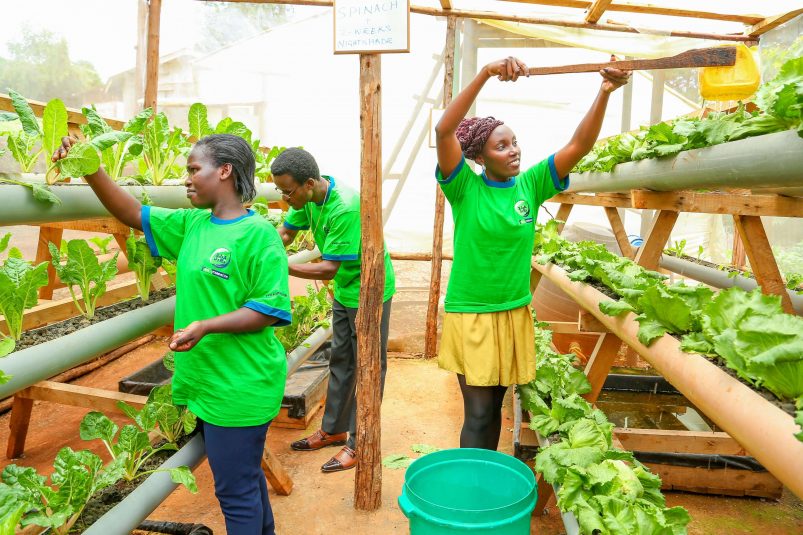
farming without soil in a sustainable way and without the use of common industrial pesticides and fertilizers which in the long run degrade soil quality. Why, in a Kenya with devolved units, can’t this be done in arid and semi-arid counties by county governments to spur unprecedented growth? By any metrics this is a long-term economic and social welfare program that cuts across food security, employment (especially for jobless youth) and overdependence on foreign powers that use the chance to sell us policies we are not interested in all in the name of goodwill. Goodwill my foot. Anyway, atleast they save the situation which otherwise would have turned chaotic for our very corrupt and inept government.
Secondly, fish farming can easily alleviate poverty, unemployment and illnesses arising from too much red meat consumption in such regions. Red meat is the most common type of meat accounting for at least 80% of all meat consumption in Kenya .It would be of nutritional benefit to all and sundry if white meat became more popular through fish farming and create wealth for a lot of people especially in those arid and semi-arid regions. This drought and famine ‘curse’ of sorts would be a thing of the past.
The only plus for the government is the implementation of the Ministry of Agriculture’s project to at least
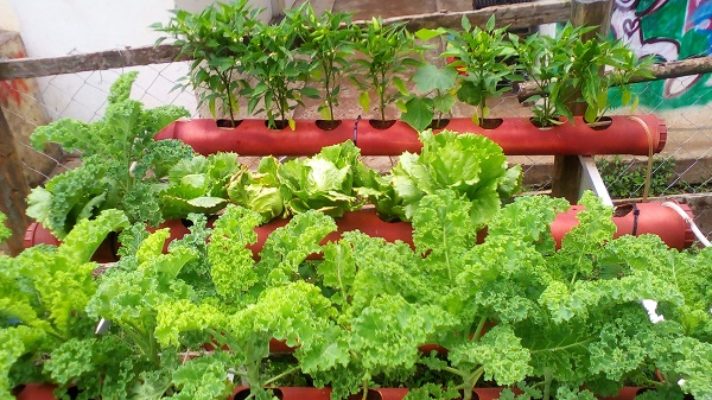
have kitchen gardens for at least have 1 million homes by year 2022 which will gladly increase food security. However, in a country of 49 million Kenyans, 1 million represents a meager 2% of the population which is quite low. More resources and civic education needs to be applied to improve the food situation in this country, otherwise beggars is going to become our second African name i.e. if it already isn’t.
 Metropolitan