


In the world of international diplomacy, few stories are as surreal—or as strategically significant—as the American pursuit of Greenland. What began in 2019 as a seemingly offhand remark by Donald Trump has evolved into a high-stakes geopolitical drama that reached a fever pitch in early 2026.
Far from being a mere real estate curiosity, the “Greenland Affair” highlights a shifting global landscape where melting ice and mineral wealth are redrawing the maps of power.
A “Very Small Ask”: The History of the Idea
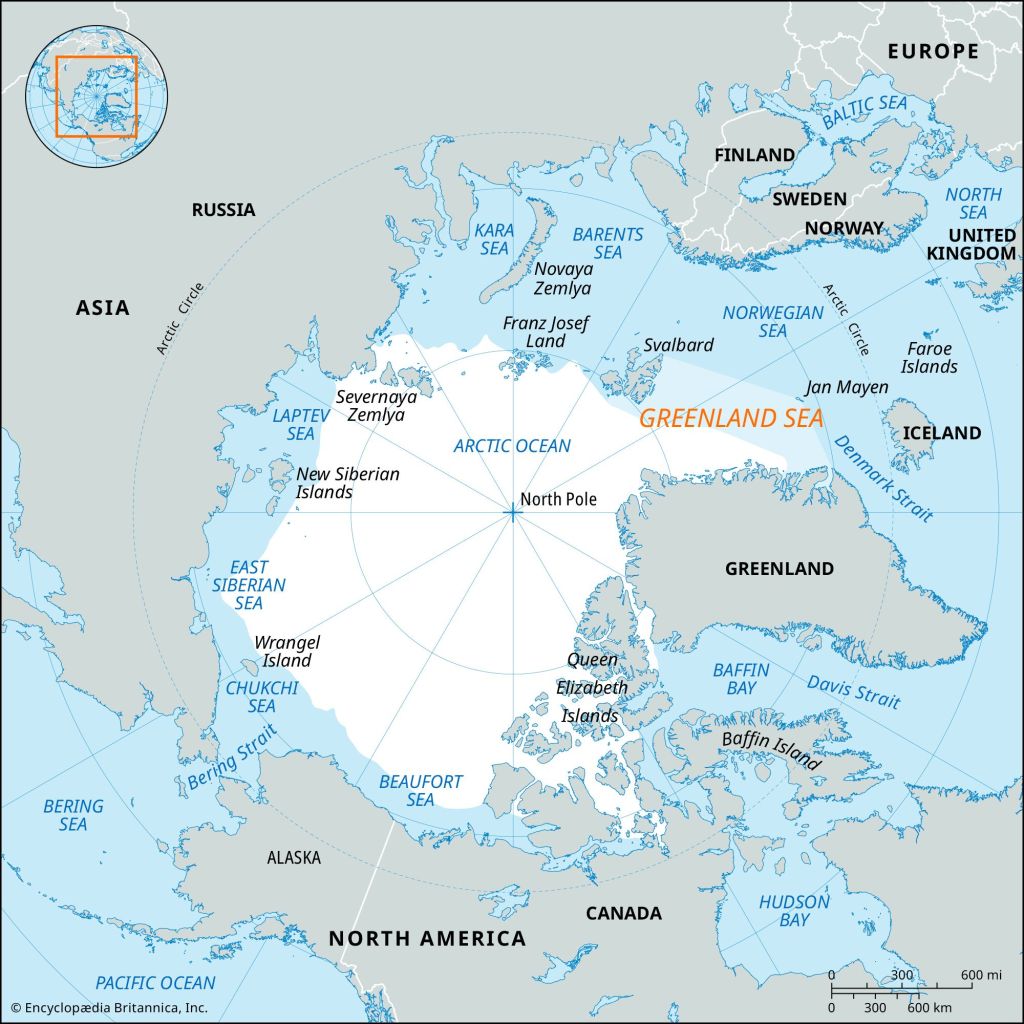
While the recent headlines feel modern, the U.S. has been eyeing Greenland for over 150 years. The island’s position at the intersection of North America, Europe, and the Arctic makes it some of the most valuable “strategic real estate” on Earth.
- 1867: The State Department first explored purchasing Greenland and Iceland.
- 1946: President Harry Truman offered Denmark $100 million in gold for the island.
- 2019: Donald Trump renewed interest, famously tweeting a photo of a gold Trump Tower superimposed on a small Greenlandic village.
The 2025–2026 Crisis
Following his re-election, President Trump moved the Greenland proposal from “social media fascination” to “top-tier foreign policy.” In early 2026, the situation escalated into a genuine international crisis known as the Greenland Affair.
The U.S. administration framed the acquisition as an “absolute necessity” for national security, citing the inability of Denmark to protect the territory from Russian and Chinese naval expansion. Tensions peaked in January 2026, when the U.S. threatened 25% tariffs on European goods and refused to rule out “the hard way” (military force) to secure the island.
“We are going to do something on Greenland whether they like it or not… I would like to make a deal the easy way, but if we don’t do it the easy way, we’re going to do it the hard way.” — President Trump, January 9, 2026
Why Greenland? It’s Not Just About the Ice
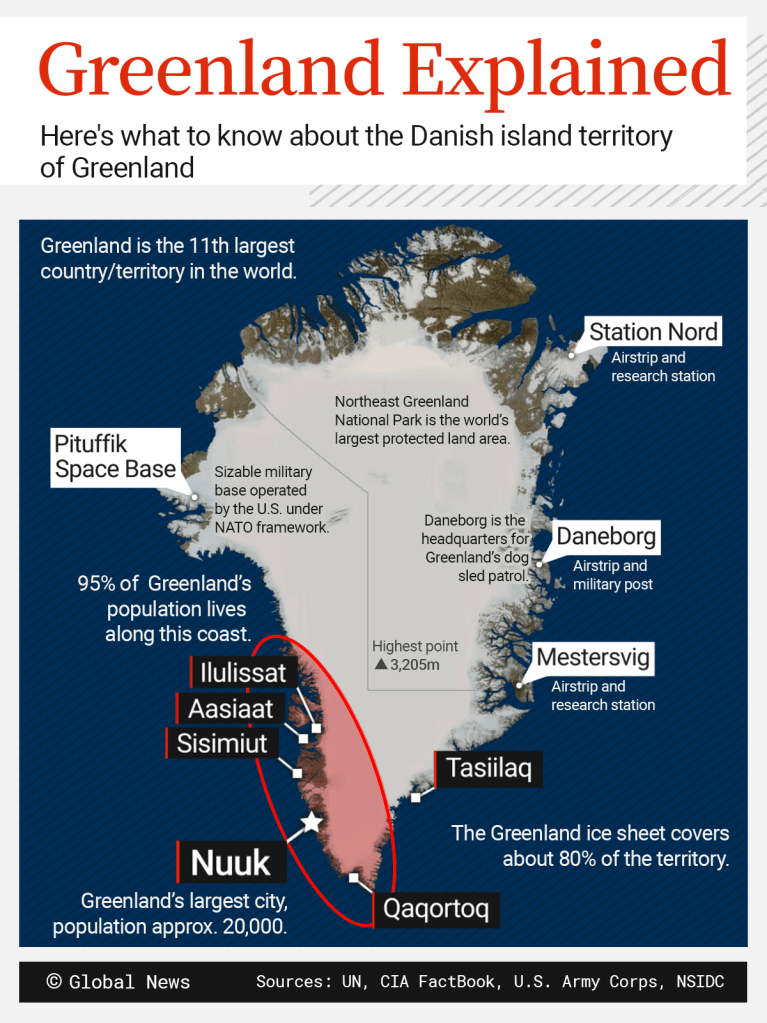
To the casual observer, an island covered 80% by an ice sheet might seem like a strange prize. However, the logic behind the pursuit is rooted in three critical areas:
| Factor | Strategic Importance |
|---|---|
| Defense | Home to the Pituffik Space Base (formerly Thule), a cornerstone of the U.S. missile warning and space surveillance network. |
| Resources | Greenland holds massive deposits of rare earth elements—minerals essential for everything from EVs to fighter jets. |
| Trade Routes | As the Arctic ice melts, new shipping lanes are opening. Greenland sits right at the mouth of these potential “super-highways” of global trade. |
The “Framework” of 2026
The crisis reached a diplomatic breakthrough on January 21, 2026, during the World Economic Forum in Davos. Following intense pressure from NATO allies and a potential trade war with the EU, President Trump walked back the threats of force and tariffs.
After a “very productive meeting” with NATO Secretary-General Mark Rutte, a new framework was established. While Greenland remains a sovereign, autonomous territory of Denmark, the deal reportedly focuses on:
- The “Golden Dome”: An integrated air and missile defense system for the Arctic.
- Economic Cooperation: Greater U.S. investment in Greenlandic mining and infrastructure.
- Reinforced Sovereignty: A clear definition of American military rights within the existing 1951 defense treaty.
The Takeaway
The Greenland Affair may have ended without a change in flags, but it fundamentally altered the Arctic conversation. It served as a wake-up call for Europe regarding the strategic vulnerability of the North and signaled that the U.S. is willing to use unprecedented economic leverage to secure its interests in the “High North.”
For now, Greenland remains Greenlandic—not American, and not for sale—but it has never been more central to the global stage.
 Metropolitan