


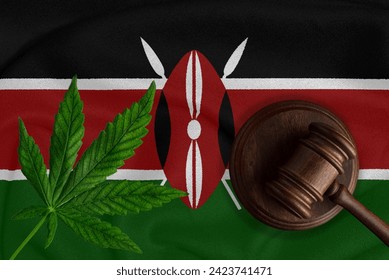
The debate over the legalization of Cannabis Sativa in Kenya is a dynamic and often passionate one, reflecting a global trend toward re-evaluating the plant’s medicinal and economic potential. Once strictly viewed through a lens of criminality, cannabis is increasingly being recognized as a potential source of significant tax revenue, job creation, and therapeutic relief. For Kenya, a country with a vibrant agricultural sector and a growing need for economic diversification, the conversation is moving from a fringe topic to a serious legislative consideration.
The Pioneer’s Vision: Ken Okoth’s 2018 Bill
The most significant and widely recognized attempt to push for the legalization of cannabis in Kenya was spearheaded by the late Member of Parliament for Kibera, Hon. Ken Okoth. In 2018, Okoth tabled the Marijuana Control Bill, 2018 [1]. This was a landmark moment, as it was the first serious legislative proposal of its kind in the country.The Bill sought to decriminalize the growth and use of marijuana, primarily for medicinal and industrial purposes. Crucially, it proposed establishing a system for the registration and licensing of marijuana growers and users, aiming to bring the trade out of the shadows and into a regulated framework.While the Bill did not pass before Okoth’s untimely death, his efforts laid the groundwork for future political discourse. His vision was later championed by other politicians, including Embakasi East MP Babu Owino, who promised to take over the Bill, and Dagoretti South MP John Kiarie, who has also advocated for the industrial and medicinal use of the plant [2]. The issue gained further national prominence during the 2022 general election, where presidential candidate George Wajackoyah made cannabis legalization a central, albeit controversial, pillar of his campaign platform [3].
A Continental Shift: Africa’s Green Wave
Kenya’s internal debate is taking place against a backdrop of rapid policy change across the African continent. Several African nations have moved to legalize or decriminalize cannabis, primarily for medicinal and commercial export purposes, positioning themselves to capitalize on the lucrative global market.
Country Legalization & Status (Primary Focus)
South AfricaLegalized (Medical & Recreational)Personal use decriminalized; commercial cultivation regulated.
LesothoLegalized (Commercial)First African country to legalize commercial cultivation for medicinal export.
ZimbabweLegalized (Commercial)Cultivation for medicinal and scientific purposes.
ZambiaLegalized (Commercial)Cultivation and export for medicinal purposes.
MoroccoLegalized (Commercial)Cultivation and export for medicinal, cosmetic, and industrial purposes [4].
These countries demonstrate a pragmatic shift, recognizing that a regulated cannabis industry can be a powerful engine for economic growth, attracting foreign investment and creating thousands of jobs.
The Road to Law: Tabling a Bill in Kenya’s Parliament
For a bill on cannabis legalization to succeed in Kenya, it must navigate a rigorous legislative process. The Marijuana Control Bill, 2018, was introduced as a Private Member’s Bill, meaning it was sponsored by an individual MP rather than the Executive (Government).The process to table and pass such a bill involves several critical stages [5]:
1.Legislative Proposal: The MP submits the legislative proposal to the Speaker of the National Assembly for approval.
2.First Reading: The Bill is formally introduced in the House.
3.Second Reading: The Bill is debated by all Members of Parliament, focusing on its general principles.
4.Committee Stage: The Bill is referred to a relevant Departmental Committee (e.g., Health or Agriculture), which conducts public participation, gathers expert opinions, and proposes amendments. This stage is crucial for a controversial bill like cannabis legalization.
5.Third Reading: The final version of the Bill, including all amendments, is voted on.
6.Senate Consideration: If passed by the National Assembly, the Bill is sent to the Senate for concurrence.
7.Presidential Assent: If passed by both Houses, the Bill is sent to the President for assent, upon which it becomes an Act of Parliament.To successfully table and pass a bill of this nature, proponents must secure broad political consensus, overcome strong moral and cultural opposition, and demonstrate clear, evidence-based benefits to the public and the economy.
The Promise of Prosperity: Benefits for Kenya and Kenyans
The arguments for legalizing Cannabis Sativa in Kenya are compelling, touching on both individual well-being and national economic strategy.
Economic Benefits
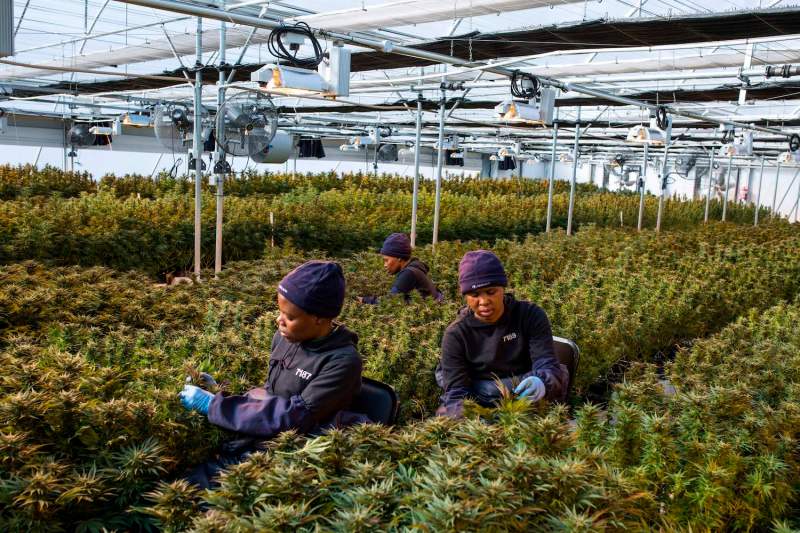
•Tax Revenue: A regulated market would allow the government to impose excise duties and VAT on cannabis products, generating a new and substantial revenue stream that could fund public services.•Job Creation: Legalization would spur the creation of a new industry, generating employment across the value chain—from cultivation and processing to research, retail, and security.•Export Potential: Given Kenya’s favorable climate and agricultural expertise, the country could become a major global exporter of medicinal cannabis and hemp products, competing with nations like Lesotho and South Africa.•Diversification of Agriculture: Hemp, a variety of Cannabis Sativa, can be used to produce textiles, paper, biofuel, and construction materials, offering Kenyan farmers a high-value alternative crop.
Medicinal and Social Benefits
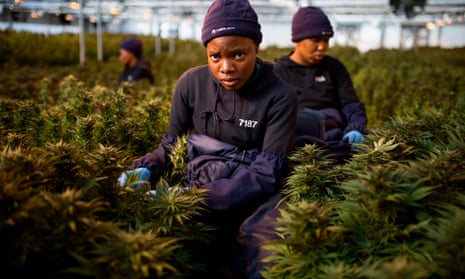
•Pain Management: Cannabis is widely recognized for its efficacy in managing chronic pain, a less addictive alternative to opioid-based medications [6].•Treatment for Chronic Conditions: Research suggests cannabis can help manage symptoms associated with conditions like epilepsy, multiple sclerosis, Parkinson’s disease, and chemotherapy-induced nausea [6].•Criminal Justice Reform: Decriminalization would free up police resources currently spent on enforcing outdated laws and reduce the burden on the correctional system, allowing for a focus on more serious crimes.
Conclusion
The push for Cannabis Sativa legalization in Kenya is a complex tapestry woven with historical attempts, continental trends, and significant legislative hurdles. From the pioneering efforts of the late Ken Okoth to the economic realities demonstrated by regional neighbors, the momentum for change is undeniable. While the path through the Kenyan Parliament is challenging, the potential for economic prosperity and improved public health offers a powerful incentive for lawmakers to embrace the green revolution.
References
[1] The Marijuana Control Bill, 2018. Laibuta. (Source: https://www.laibuta.com/wp-content/uploads/2018/09/marijuana-control-bill-2018.pdf)
[2] MP Ken Okoth wants Parliament to legalise marijuana in Kenya. Citizen TV Kenya (Facebook). (Source: https://www.facebook.com/CitizenTVKe/posts/mp-ken-okoth-wants-parliament-to-legalise-marijuana-in-kenya/10160950852270405/)
[3] George Wajackoyah spices up Kenya election with marijuana promise. BBC News. (Source: https://www.bbc.com/news/world-africa-62143252)
[4] African countries decriminalizing Marijuana: Morocco joins list. Africanews. (Source: https://www.africanews.com/2021/05/27/morocco-joins-growing-list-of-african-countries-to-legalize-cannabis//)
[5] Guide to the Legislative Process in Kenya. Kenya Law Reform Commission (KLRC). (Source: https://klrc.go.ke/images/images/downloads/klrc-a-guide-to-the-legislative-process-in-kenya.pdf)
[6] Medical Use of Cannabis in Africa: Pharmacists’ Perspective. PMC (NIH). (Source: https://pmc.ncbi.nlm.nih.gov/articles/PMC9598981/)
 Metropolitan