


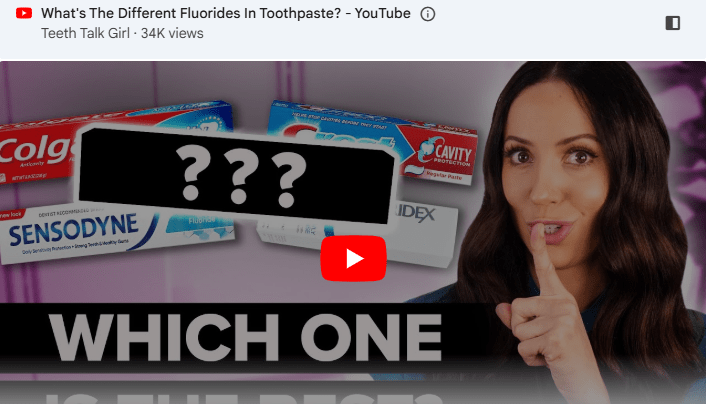
You stand in the toothpaste aisle, overwhelmed by choices. “Whitening,” “Enamel Repair,” “Total Care”—the marketing is loud, but the ingredient lists are quiet, often printed in microscopic text on the back of the box.
A growing number of consumers are asking questions about what they are putting in their mouths twice a day, every day, for their entire lives. Specifically, there is confusion and concern surrounding Calcium Fluoride versus other fluoride types, alongside a host of other chemical additives found in major commercial brands.
This research-based guide breaks down the science of toothpaste toxicity, clarifying the specific dangers of fluoride and exposing the “other” risks hiding in your bathroom cabinet.
1. The Fluoride Confusion: Calcium vs. Sodium
First, it is critical to correct a common misconception. Most major commercial toothpaste brands (like Colgate, Crest, or Sensodyne) do not use Calcium Fluoride as their active ingredient. Instead, they typically use Sodium Fluoride, Stannous Fluoride, or Sodium Monofluorophosphate.
Why does this matter? The risk profiles are different.
- Sodium Fluoride (The Commercial Standard): This is a synthetic, highly soluble salt. Because it dissolves instantly in saliva, it delivers a rapid “blast” of fluoride ions to the teeth. However, its high solubility also means it is absorbed quickly into the bloodstream if swallowed, making it more acutely toxic than calcium fluoride.
- Calcium Fluoride (The Natural Alternative): This compound occurs naturally in water and soil. It is notoriously insoluble (it doesn’t dissolve well in water). Because it binds tightly and doesn’t release ions easily, it is generally considered less toxic systemically than sodium fluoride. Some “natural” toothpaste brands actually use Calcium Fluoride because it is safer if accidentally ingested, though dentists often argue it is less effective at rapidly stopping cavities for the same reason.
The Real Dangers of Fluoride (Long-Term Effects)
Regardless of the type, long-term exposure to fluoride—especially the highly soluble synthetic kinds found in major brands—is linked to several health concerns:
- Dental Fluorosis: The most visible sign of over-exposure, appearing as white streaks or brown spots on teeth. This indicates that fluoride has damaged the cells that create tooth enamel.
- Skeletal Fluorosis: In rare cases of high long-term accumulation, fluoride builds up in bones (mimicking calcium), leading to joint stiffness, pain, and increased fracture risk.
- Neurotoxicity Concerns: Recent studies have sparked intense debate regarding fluoride’s impact on the developing brain. Some epidemiological research suggests a correlation between high fluoride exposure in utero/childhood and lower IQ scores, prompting calls for re-evaluation of fluoride safety by toxicology experts.
2. Beyond Fluoride: The “Other” Toxic Elements
While fluoride gets the headlines, the inactive ingredients—the ones that make the paste foam, taste sweet, or last on the shelf—pose significant long-term health risks.
A. Sodium Lauryl Sulfate (SLS)
- What it is: A detergent and surfactant used to make toothpaste foam. It is the same ingredient found in floor cleaners and car wash soaps.
- The Risk: SLS is a known skin irritant. Research has strongly linked SLS in toothpaste to the frequency and severity of aphthous ulcers (canker sores). It strips the delicate mucosal lining of the mouth, making the soft tissue vulnerable to injury and microscopic damage.
- Long-term effect: Chronic mucosal irritation and increased sensitivity.
B. Triclosan
- What it is: An antibacterial agent added to some toothpastes to prevent gingivitis.
- The Risk: Triclosan is classified as an endocrine disruptor. It can interfere with thyroid hormone metabolism and may impact reproductive development. While the FDA banned it from hand soaps in 2016, it was allowed to remain in toothpaste for years because it was shown to be effective against gum disease.
- Long-term effect: Potential hormonal imbalance and contribution to antibiotic-resistant bacteria (“superbugs”).
C. Titanium Dioxide
- What it is: A white pigment used solely to make toothpaste look bright white and creamy. It has no cleaning benefit.
- The Risk: The concern lies in nanoparticles. When Titanium Dioxide is crushed into nano-sized particles, it can penetrate cell membranes. The European Food Safety Authority (EFSA) effectively banned it as a food additive (E171) due to genotoxicity concerns—meaning it could damage DNA and potentially lead to cancer.
- Long-term effect: Accumulation in the body and potential cellular DNA damage.
D. Artificial Sweeteners (Aspartame, Saccharin)
- What it is: Chemicals used to mask the bitter taste of cleaning agents.
- The Risk: These additives can disrupt the gut microbiome. Even though toothpaste is not “eaten,” small amounts are inevitably swallowed (especially by children), and sublingual absorption (under the tongue) allows chemicals to enter the bloodstream directly, bypassing the digestive system’s filters.
- Long-term effect: Gut bacteria imbalance and potential metabolic disruption.
Summary of Risks: A Quick Reference
| Ingredient | Primary Function | Potential Health Risk |
| Sodium Fluoride | Cavity Prevention | Fluorosis, Neurotoxicity (high doses), Thyroid interference |
| SLS | Foaming Agent | Canker sores, Mucosal peeling, Irritation |
| Triclosan | Antibacterial | Hormone (Endocrine) disruption, Thyroid issues |
| Titanium Dioxide | Whitening Pigment | Genotoxicity (DNA damage), Inflammation |
| Parabens | Preservative | Estrogen mimicry, Reproductive toxicity |
Conclusion: How to Protect Yourself
The “freshness” of your toothpaste should not come at the cost of your long-term health. The mucus membranes in your mouth are highly absorbent, meaning dangerous ingredients don’t just stay on your teeth—they can enter your system.
Actionable Advice:
- Check the Active Ingredient: If you want to avoid high-toxicity fluorides, look for hydroxyapatite (a non-toxic alternative that rebuilds enamel) or natural Calcium Fluoride formulations.
- Go SLS-Free: If you suffer from canker sores, switching to an SLS-free brand is the single most effective change you can make.
- Read the “Inactive” List: Avoid pastes with bright blue or red dyes (like Red 40) and “whitening” pigments like Titanium Dioxide.
Would you like me to help you compare the ingredient lists of two specific toothpaste brands you currently use?
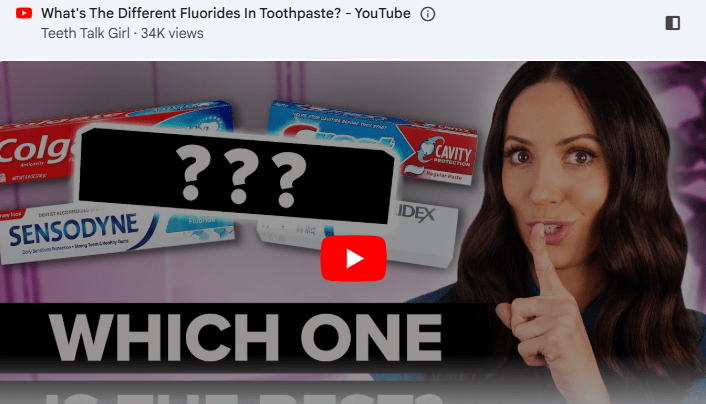
What’s The Different Fluorides In Toothpaste?
This video is relevant because it visually explains the chemical differences between Sodium Fluoride, Stannous Fluoride, and other types, helping you distinguish between the “commercial standard” fluorides and the calcium fluoride mentioned in your request.
 Metropolitan
SofPro Elite Water Softener is the best water softener for city water.
LikeLike