

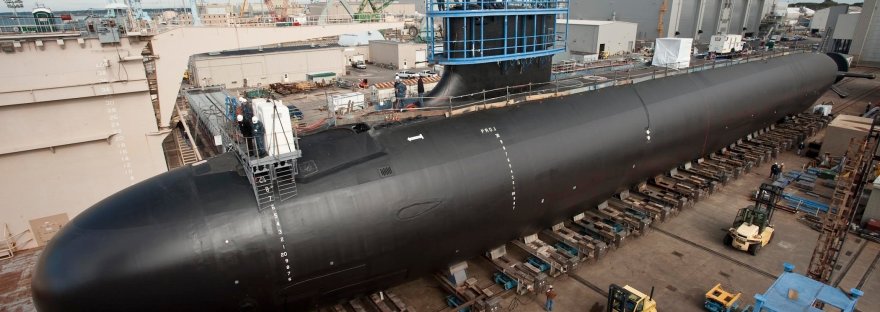
Unveiling the Underwater Giants: History, Evolution, and Modern Might
In the vast, mysterious depths of our oceans, a class of vessel operates with unparalleled stealth and power: the nuclear submarine. Far more than just underwater ships, these technological marvels have reshaped naval warfare and geopolitical strategy. From their audacious inception to their sophisticated role in modern defense, nuclear submarines represent the pinnacle of human engineering and strategic prowess. Join us as we plunge into the fascinating world of these silent hunters, exploring their groundbreaking history, relentless technological advancements, and the formidable capabilities they possess today.
A Revolutionary Dive: The Birth of Nuclear Power Beneath the Waves
The concept of a nuclear-powered submarine first surfaced in the United States Navy in 1939, a visionary idea proposed by physicist Ross Gunn. However, it wasn’t until the mid-20th century that this dream became a reality, largely thanks to the relentless efforts of figures like Captain Hyman G. Rickover. The USS Nautilus (SSN-571), authorized in July 1951 and commissioned on September 30, 1954, marked a pivotal moment in naval history. On January 17, 1955, the Nautilus embarked on its sea trials, becoming the world’s first operational nuclear submarine. This groundbreaking vessel demonstrated the immense advantages of nuclear propulsion: unprecedented endurance, high speeds, and freedom from frequent surfacing for air, which had long plagued conventional diesel-electric submarines.
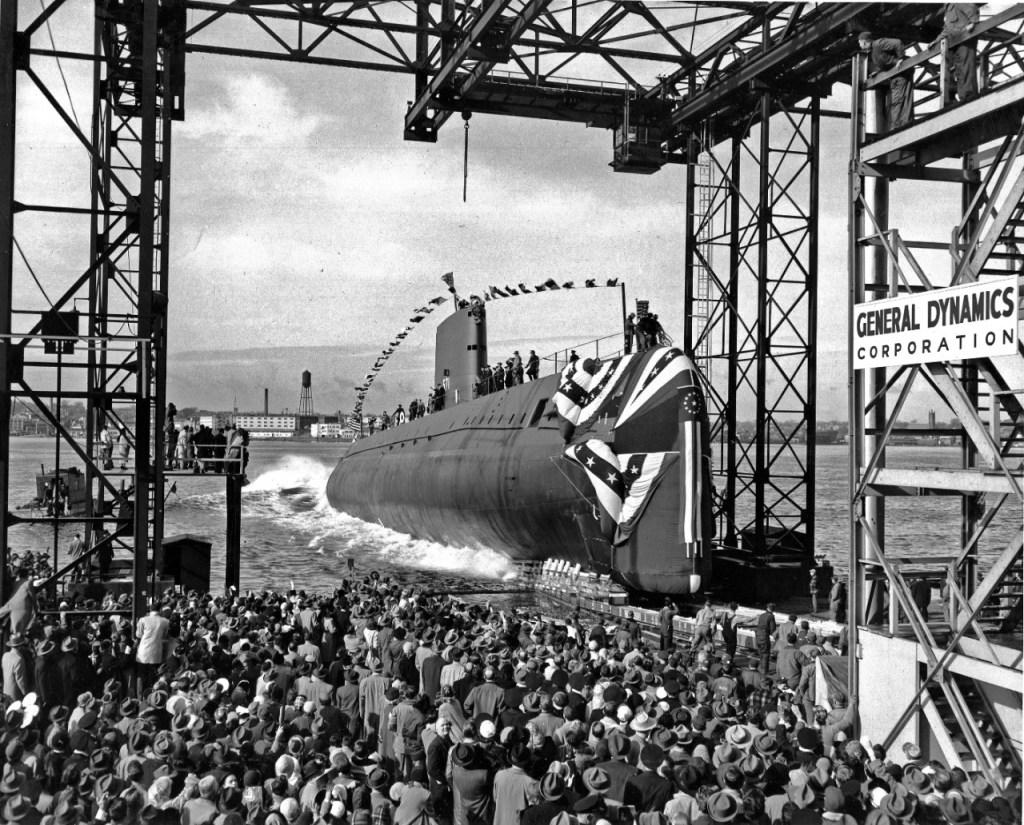
The historic launch of the USS Nautilus, the world’s first nuclear-powered submarine.
The Soviet Union swiftly followed suit, commissioning their first nuclear submarine, the K-3 Leninskiy Komsomol (Project 627 Kit class, known as the November-class by NATO), in 1958. The United Kingdom also joined the nuclear submarine club with HMS Dreadnought, initially fitted with an American reactor, followed by the all-British HMS Valiant. The Cold War spurred an intense arms race, with the Soviet Union alone building an astonishing 245 nuclear submarines by the end of 1997, far exceeding all other nations combined. This era solidified the nuclear submarine’s role, particularly the ballistic missile submarines (SSBNs), as an indispensable component of strategic deterrence, capable of remaining submerged and undetected for extended periods.
The Evolution of Stealth and Power: Technological Advancements
The journey of nuclear submarines has been one of continuous innovation. Early designs focused on proving the viability of nuclear propulsion, but subsequent generations have pushed the boundaries of stealth, speed, and combat effectiveness. Key technological advancements include Nuclear Propulsion Systems, where modern nuclear reactors are highly efficient, allowing submarines to operate for decades without refueling. They generate immense power, enabling sustained high speeds and virtually unlimited range, limited only by crew endurance and provisions. The primary power generation method involves nuclear reactors heating water to produce steam, which drives turbines connected to the propeller or generates electricity for electric motors.
Another critical advancement is Acoustic Quieting, focusing on reducing noise signatures. Submarines are inherently designed for stealth, and significant efforts have gone into quieting machinery, isolating noisy components, and designing hydrodynamic hulls to minimize detectable sounds. This makes them incredibly difficult to detect, earning them the moniker “silent hunters.” Complementing this are Advanced Sonar and Sensors, with modern nuclear submarines equipped with highly sophisticated sonar systems, including passive and active arrays, allowing them to detect distant targets while remaining undetected themselves. Other sensors, such as thermal imaging (FLIR) and advanced electronic warfare systems, further enhance their situational awareness.
In terms of Weaponry, from their early days, nuclear submarines have been formidable platforms for various weapon systems. Modern attack submarines (SSNs) carry a diverse arsenal, including advanced torpedoes for anti-submarine and anti-surface warfare, and cruise missiles like the Tomahawk, capable of striking land targets with precision. Ballistic missile submarines (SSBNs) are the cornerstone of nuclear deterrence, carrying intercontinental ballistic missiles (ICBMs) with multiple warheads, capable of delivering devastating strikes from beneath the waves.
Finally, Automation and Crew Comfort have seen significant improvements, with modern submarines featuring advanced automation to reduce crew workload and improve efficiency. Enhanced life support systems, improved living quarters, and communication technologies contribute to longer mission durations and better crew well-being.
Today’s Underwater Powerhouses: Modern Capabilities
Today, nuclear submarines are operated by a select group of nations, including the United States, Russia, the United Kingdom, France, China, and India. These nations deploy a variety of classes, each designed for specific roles, from deep-sea reconnaissance to strategic deterrence.
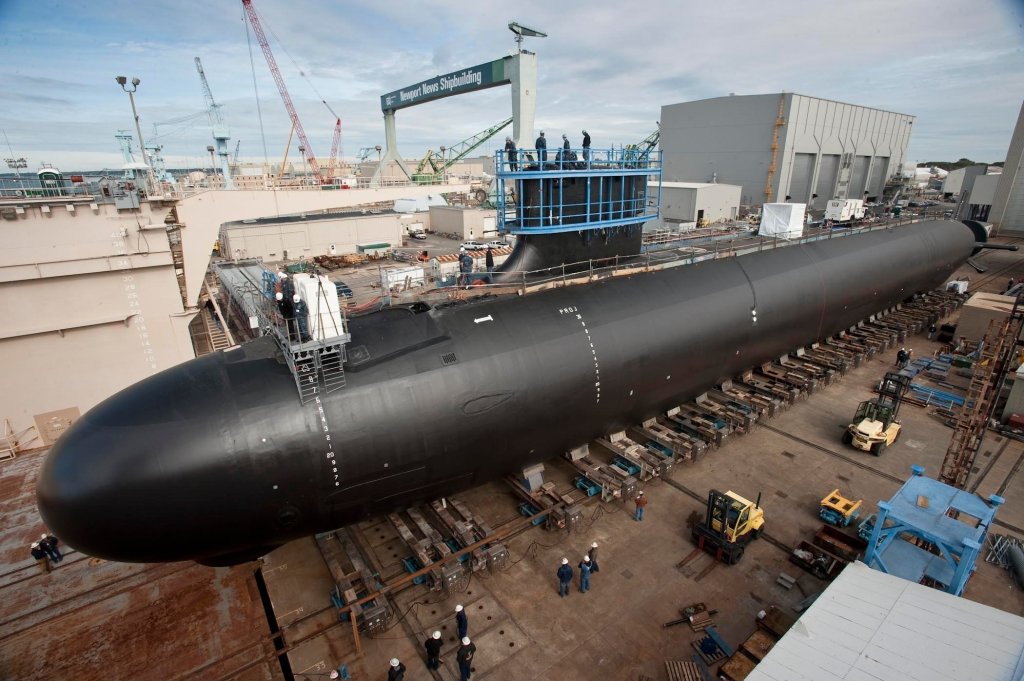
A modern Virginia-class submarine, showcasing advanced design and capabilities.
Modern nuclear submarines boast Global Reach and Endurance, capable of operating submerged for months, traversing vast distances without needing to refuel or surface. This makes them ideal for long-duration patrols and covert operations anywhere in the world. Their Stealth and Evasion capabilities are unparalleled, with advanced quieting technologies and deep-diving abilities making them exceptionally difficult to detect, allowing them to operate undetected in contested waters.Furthermore, they offer Multi-mission Versatility, as modern attack submarines (SSNs) are highly versatile, capable of anti-submarine warfare (ASW), anti-surface warfare (ASuW), intelligence gathering, special operations support, and precision land-attack missions. For Strategic Deterrence, ballistic missile submarines (SSBNs) provide a crucial second-strike capability, ensuring national security through their ability to launch nuclear missiles from an undetectable position, thereby deterring potential adversaries. The Technological Frontier continues to expand, with ongoing research and development pushing boundaries. New classes like the US Columbia-class, UK Dreadnought-class, and Russia’s Arcturus-class promise even greater stealth, firepower, and operational efficiency in the coming decades.
The Future of the Deep
Nuclear submarines remain at the forefront of naval technology, embodying a blend of raw power, strategic importance, and engineering ingenuity. As nations continue to invest in these underwater behemoths, their role in maintaining global stability and projecting power will only grow. The silent hunters of the deep continue their vigil, a testament to human innovation and the enduring quest for strategic advantage beneath the waves.
 Metropolitan