


Introduction

Cryptocurrency mining is a complex and potentially lucrative endeavor influenced by a variety of dynamic factors. It’s crucial for anyone considering mining to understand these variables, as they can significantly impact the financial viability of mining operations. This document outlines the primary factors that determine mining profitability and provides resources for further analysis. Please note that this information does not constitute financial advice, and the cryptocurrency market is inherently volatile, meaning past performance is not an indicator of future results.
Key Factors Influencing Mining Profitability
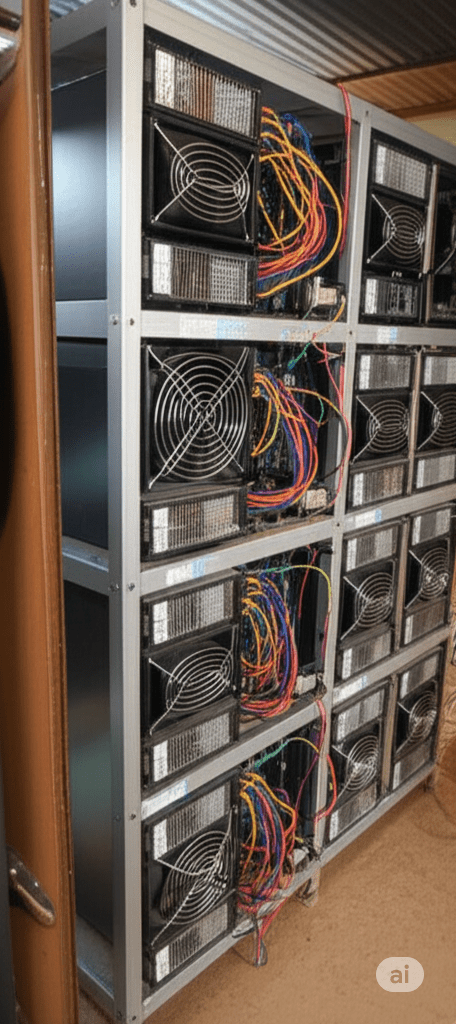
Several critical factors interact to determine the profitability of cryptocurrency mining:
- Cryptocurrency Price: The most direct and significant factor is the market price of the cryptocurrency being mined. A higher price for the mined coin directly translates to higher revenue. However, cryptocurrency prices are highly volatile and subject to rapid fluctuations based on market demand, news, regulatory changes, and broader economic trends.
- Network Difficulty: Network difficulty is a measure of how difficult it is to mine a block on a given blockchain. As more miners join a network, the difficulty increases, requiring more computational power to find a block and earn rewards. Conversely, if miners leave the network, the difficulty decreases. This adjustment ensures a consistent block time, but it also means that individual miners may earn less over time if their hash rate remains constant while difficulty rises.
- Hash Rate (Mining Hardware Performance): Hash rate refers to the speed at which a mining machine can perform cryptographic calculations. A higher hash rate increases the probability of solving a block and earning mining rewards. The efficiency and power of your mining hardware (e.g., ASICs, GPUs) directly contribute to your hash rate. Newer, more powerful hardware generally offers better hash rates but also comes with higher upfront costs.
- Electricity Costs: Cryptocurrency mining is an energy-intensive process. The cost of electricity is a major operational expense and can significantly impact profitability. Miners in regions with lower electricity rates have a distinct advantage. It’s essential to calculate your electricity cost per kilowatt-hour (kWh) and factor it into your profitability calculations.
- Mining Hardware Costs: The initial investment in mining hardware (ASICs, GPUs, power supplies, cooling systems, etc.) is a substantial upfront cost. The return on investment (ROI) for this hardware depends on its efficiency, longevity, and the ongoing profitability of mining. Rapid technological advancements can also lead to hardware obsolescence, requiring further investment.
- Transaction Fees: In addition to block rewards, miners often earn a portion of transaction fees from the network. For some cryptocurrencies, especially those with high network congestion, transaction fees can contribute significantly to overall mining revenue.
- Mining Pool Fees: Most individual miners join mining pools to combine their computational power and increase their chances of earning consistent rewards. Mining pools typically charge a fee for their services, which reduces the individual miner’s overall earnings.
- Halving Events: Some cryptocurrencies, like Bitcoin, undergo periodic halving events, where the block reward for miners is cut in half. These events are designed to control the supply of the cryptocurrency and can significantly impact mining profitability by reducing the revenue per block mined.
Tools and Resources to Estimate Profitability
These tools are designed to help users input specific parameters (e.g., hash rate, electricity cost, hardware cost) and provide estimated profitability for various cryptocurrencies. Here are some common types of tools and resources:
- Mining Profitability Calculators: These online tools are designed to estimate mining profitability by taking into account various inputs. They are crucial for pre-calculating potential returns before investing in hardware or starting mining operations. Some popular examples include:
- NiceHash Profitability Calculator: Allows users to estimate earnings based on their hash rate or specific devices.
- WhatToMine: Provides comparisons of profitability for various altcoins, helping miners decide which cryptocurrency is most profitable to mine at a given time.
- CryptoCompare Mining Calculator: Offers detailed calculations for Bitcoin and other cryptocurrencies, considering hash rate, power consumption, and electricity costs.
- CoinWarz: Provides comprehensive charts and intuitive visuals for analyzing Bitcoin mining profitability.
- Cryptocurrency Mining Statistics Websites: These websites offer real-time data and historical trends for various aspects of cryptocurrency mining, such as network hash rate, difficulty, and block rewards. This information is vital for understanding the current state of the mining landscape and forecasting future profitability.
- Hashrate Index: A source for metrics, analysis, and research related to the Bitcoin network and mining industry.
- Mining Pool Stats: Lists known Proof-of-Work (PoW) mining pools with real-time hashrate distribution.
- Blockchain.com Charts: Provides charts for total hash rate and network difficulty, which are key indicators of network health and mining competition.
- Hardware Comparison and Review Sites: Before purchasing mining hardware, it’s beneficial to consult websites that provide detailed specifications, reviews, and comparisons of different ASICs and GPUs. These resources can help in selecting the most efficient and cost-effective hardware for your mining goals.
- Community Forums and Discussion Boards: Platforms like Reddit (e.g., r/MoneroMining, r/Bitcoin) and other dedicated forums can be valuable sources of information, practical advice, and real-world experiences from other miners. They can help in troubleshooting, staying updated on trends, and understanding the nuances of mining different cryptocurrencies.
How to Use These Tools Effectively
When using these tools, it’s important to:
- Input Accurate Data: Ensure that your electricity costs, hardware specifications (hash rate, power consumption), and any pool fees are entered accurately for realistic profitability estimates.
- Consider Timeframes: Short-term profitability can fluctuate wildly. Consider long-term trends and potential future changes in difficulty and price.
- Factor in All Costs: Don’t forget to include initial hardware costs, maintenance, cooling, and potential upgrade costs in your overall financial planning.
- Stay Updated: The cryptocurrency mining landscape changes rapidly. Regularly check updated data on difficulty, prices, and hardware efficiency.
Disclaimer
While these tools provide valuable insights, they are based on current data and projections. Actual mining profitability can vary significantly due to market volatility, unexpected changes in network parameters, and unforeseen operational issues. Always conduct your own thorough research and consider consulting with a financial advisor before making any investment decisions.
 Metropolitan