



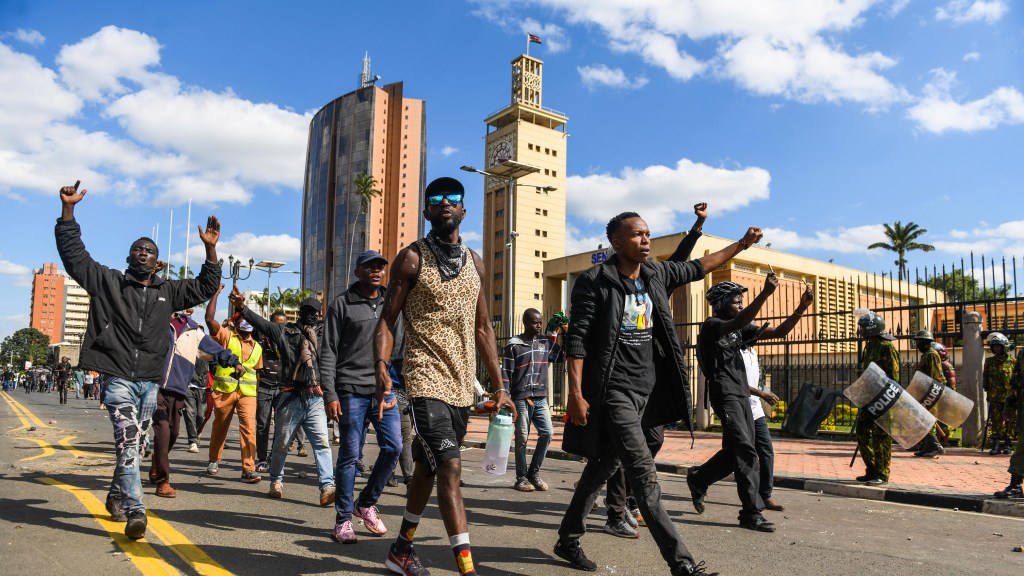
NAIROBI, Kenya – Kenya is once again making global headlines as Gen Z-led protests erupt across major towns. Young people are demanding justice following the shocking death of blogger Albert Ojwang, who reportedly died in police custody after alleged torture.
This new wave of protests is a continuation of the resistance seen in 2024, when young Kenyans took to the streets in massive numbers to oppose the controversial Finance Bill that introduced harsh tax measures. Back then, the pressure worked—the government withdrew the bill and reshuffled key leadership. But the frustration hasn’t gone away.
What Triggered the Protests?
The 2025 demonstrations were sparked by Ojwang’s death, but the roots run deeper—into long-standing anger over:
- Police brutality
- Rising unemployment
- High cost of living
- Government impunity
The youth are fed up. They are demanding more than temporary reforms—they want a total reset.
What Makes This Protest Different?
1. Tech-Driven and Decentralized
Gen Z is highly organized online. Through TikTok, WhatsApp, and X (formerly Twitter), they mobilize, fundraise, and livestream events in real time. They even use AI bots to educate the public on laws and policies.
2. No Political or Tribal Affiliation
This is not a protest fueled by parties or politicians. It’s a people-first, non-tribal, non-partisan movement led by ordinary citizens demanding change.
3. Real Impact
Over KSh 31 million has already been raised through online campaigns to support injured protesters, pay for legal aid, and assist families of victims.
What’s Happening Right Now?
- Protests have spread across Nairobi, Mombasa, Kisumu, Nakuru, and smaller towns.
- Police have responded with tear gas, rubber bullets, and reportedly live ammunition.
- At least two protesters have died so far—one in Matuu and another in Nairobi.
- A mysterious group known as “Team Sakaja” has appeared, claiming to defend property but facing accusations of intimidation and political backing.
- The government has charged six police officers in connection with Ojwang’s death—but critics say it’s not enough.
Faces of the Movement
Hanifa Adan, a former journalist, has played a key role in organizing aid and crowdfunding online.
Kasmuel McOure, known for his moving speeches in 2024, has returned as a powerful youth voice—calling for peaceful resistance and accountability.
Why This Moment Matters
This movement is much bigger than one incident. It reflects a generational awakening and a demand for new leadership, fairness, and a future with dignity.
| Key Insight | Meaning |
|---|---|
| Digital-first movement | Gen Z is leveraging technology like never before to organize and demand change. |
| Tribe-free protests | Kenya’s youth are uniting across ethnic and political lines for common goals. |
| Real government response | Bills withdrawn, arrests made—but more change is still demanded. |
| Global attention | Kenya’s Gen Z uprising is becoming a model for digital activism across Africa. |
Conclusion
Kenya’s Gen Z is not just reacting—they are reimagining how protests, politics, and policy should work. Their message is loud and clear:
“We are not your children. We are your future. And we will be heard.”
Will the government respond with reform or repression? That’s the question on every Kenyan’s mind.
One thing is certain—the youth have found their voice, and they’re not letting go.
 Metropolitan