

When you think about Africa, what comes to mind? Safari? Poverty? Tribal dances? Unfortunately, that’s the shallow lens through which most of the world has viewed this vast and rich continent. But beneath the clichés lies a powerful truth: Africa has been underestimated, misrepresented, and—let’s be honest—deliberately distorted in many ways. From its size on the world map to its historical significance and natural wealth, here are some mind-blowing facts that have been hidden, suppressed, or twisted about Africa.
1. Africa Is Way Bigger Than You’ve Been Told
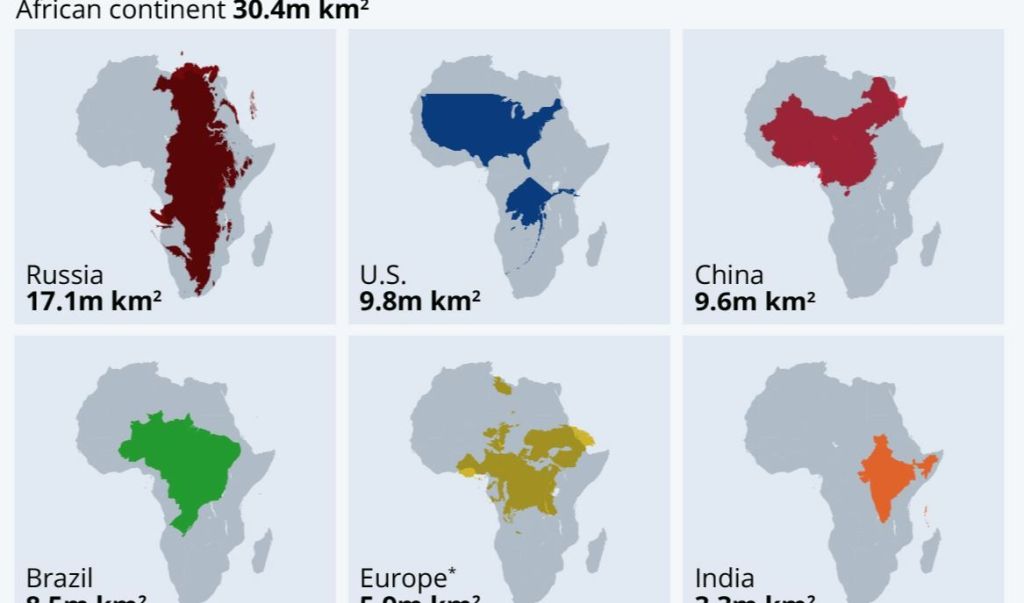
Ever looked at a world map and thought Africa looked “normal sized”? Think again. The Mercator Projection—the most widely used map globally—shrinks Africa and enlarges Europe and North America. On this map, Greenland looks about the same size as Africa. In reality?
- Africa is 14 times larger than Greenland.
- You can fit the USA, China, India, Japan, and much of Europe inside Africa… and still have space left!
🌍 Real size comparison:
- Africa: 30.2 million km²
- USA: 9.8 million km²
- China: 9.6 million km²
- Europe (entire): ~10.2 million km²
This isn’t just a cartographic mistake—it’s a geopolitical narrative. A smaller Africa subconsciously diminishes its importance and power in global consciousness.
2. Africa Has the Youngest Population in the World
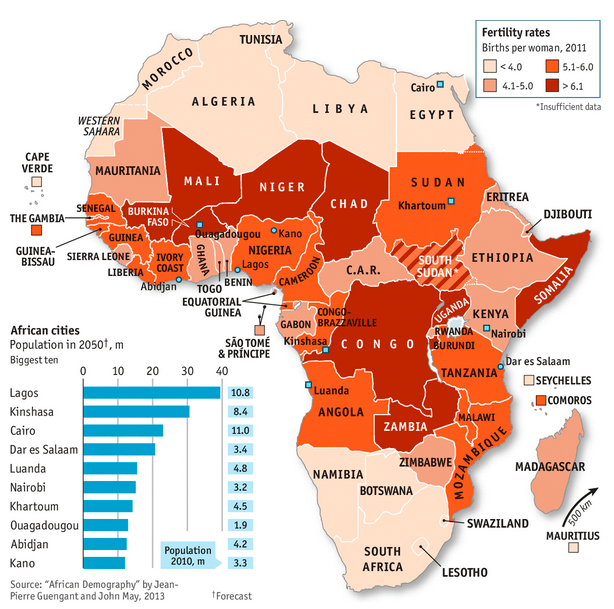
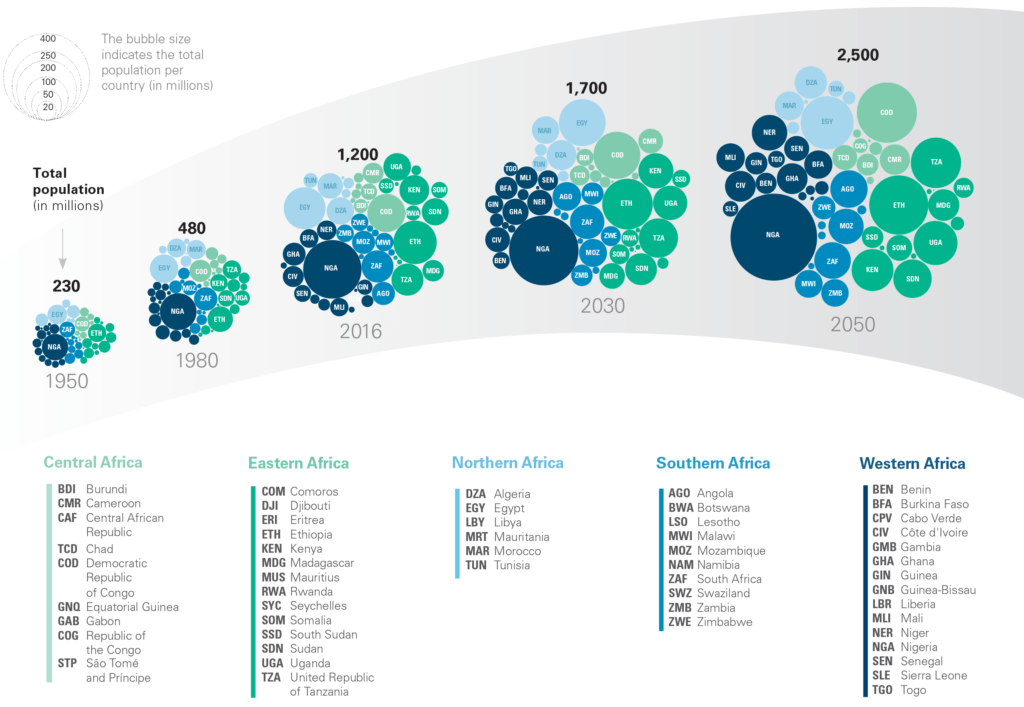
More than 60% of Africa’s population is under the age of 25. While aging populations threaten economies in Europe, Japan, and even China, Africa’s youth presents an unmatched demographic dividend.
That means:
- A growing labor force.
- An expanding market.
- Huge potential for innovation, especially in digital tech.
Countries like Kenya, Nigeria, and Ghana are already hubs of youthful entrepreneurship and digital transformation.
3. Africa Is Not a Country
This might seem obvious, but many people still talk about “Africa” like it’s a single place with one culture, one language, and one identity.
In truth:
- Africa is made up of 54 countries.
- Over 2,000 languages are spoken across the continent.
- There are thousands of ethnic groups, each with their own rich traditions, systems of governance, and philosophies.
You wouldn’t call all of Europe a single country, would you? So why do it to Africa?
4. Africa Is the Cradle of Civilization
Before the pyramids of Egypt were even finished, Africa was already laying the foundations of human civilization.
- The oldest mathematical object (Lebombo bone) was found in Swaziland.
- Timbuktu, in Mali, had one of the world’s earliest universities in the 12th century.
- Ancient Ethiopia and Nubia had powerful kingdoms with advanced architecture, governance, and military systems—long before much of Europe caught up.
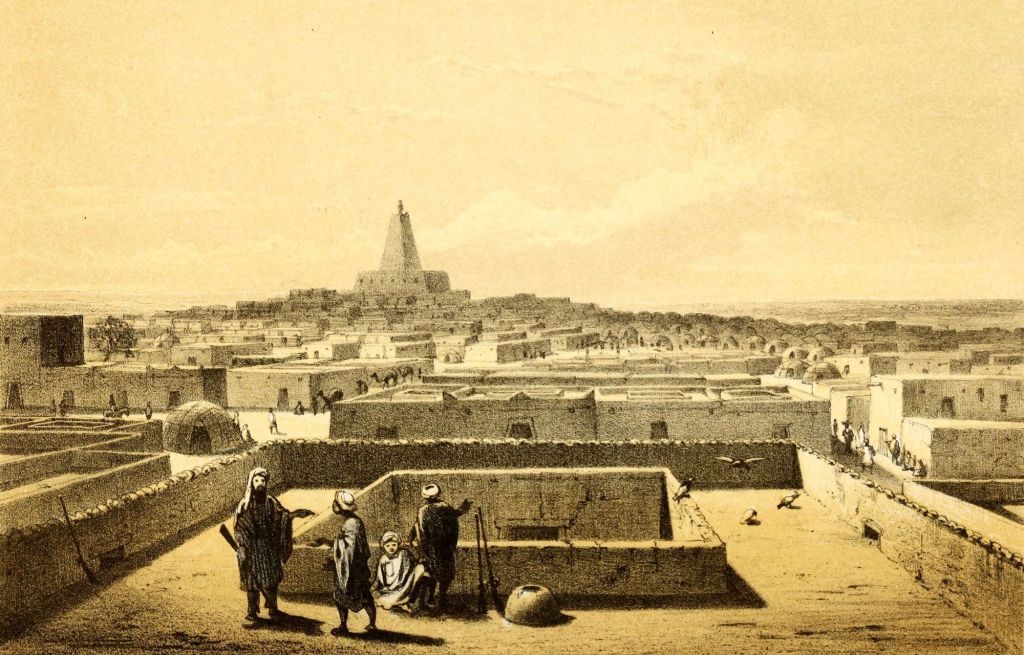
The distortion here? African history is often taught starting with slavery and colonization, skipping over millennia of innovation and empires.
5. Africa Is Rich—Extremely Rich
Africa is often described as “poor,” but that is a half-truth. It is resource-rich but systemically looted.
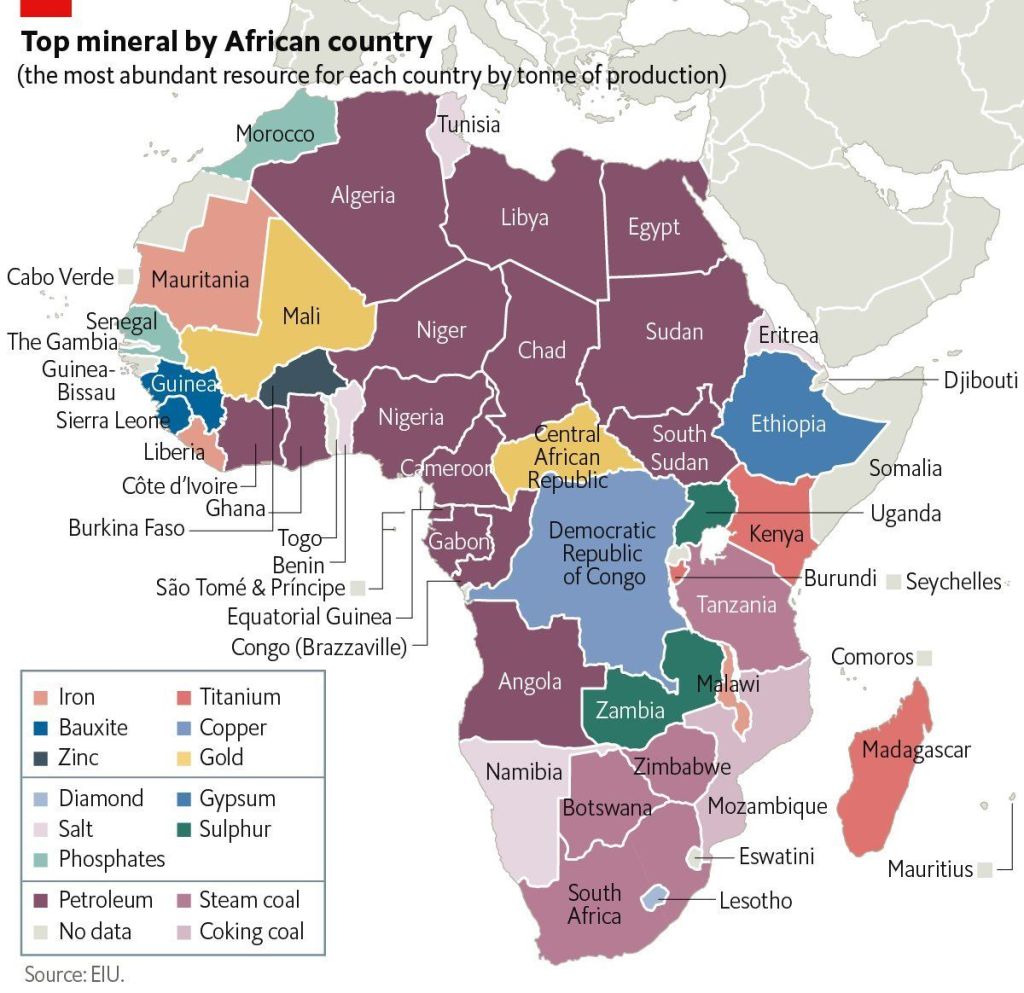
- 90% of the world’s platinum, 50% of gold, 40% of diamonds, and vast reserves of cobalt, uranium, and oil are in Africa.
- Countries like the DRC have \$24 trillion in untapped mineral wealth, yet remain poor due to exploitation, corruption, and neocolonial control.
Many multinational companies extract resources, pay minimal taxes, and leave behind environmental devastation and economic dependency.
6. Africa Is Leading in Innovation Where It Matters
In places where the West sees “lack,” Africa sees “opportunity.”
- Kenya pioneered mobile money with M-Pesa, long before Apple Pay or Google Wallet gained traction in the West.
- Rwanda is using drones to deliver medical supplies.
- Nigeria’s tech scene is producing unicorn startups in fintech, healthtech, and agritech.
When necessity meets ingenuity, Africa leads in relevant innovation.
7. Western Media Often Tells a One-Sided Story
In global news, Africa is often associated with:
- Famine
- Conflict
- Disease
While these challenges exist, they are not the full story. They are disproportionately amplified while success stories, innovation, and progress are ignored.
Why? Because it’s easier to justify aid, control, and military presence when a continent is portrayed as helpless.
8. The World Needs Africa More Than Africa Needs the World
Let that sink in. Africa supplies:
- Critical minerals for electronics (cobalt, coltan).
- Massive agricultural potential.
- Renewable energy opportunities (solar, wind).
- Untapped human capital.
As climate change, resource scarcity, and global shifts accelerate, Africa is becoming the world’s future. But is the world ready to see it that way?
🔚 Final Thoughts: Rewriting Africa’s Narrative
The distortion of Africa’s reality—be it geographical, historical, or cultural—wasn’t accidental. It was systemic. But now, we’re in a new era where Africa is beginning to tell its own story, with its own voice, for its own future.
It’s time we relearn the truth about Africa: not as a continent in crisis, but as a powerhouse in motion.
 Metropolitan