


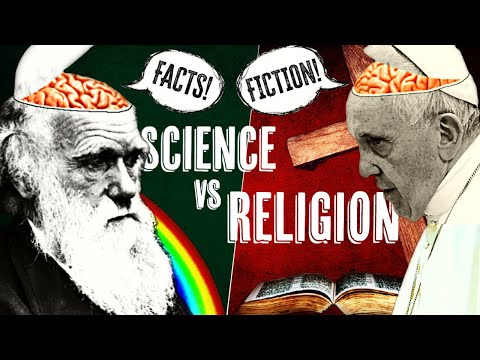
Religion is a profound and complex phenomenon that has shaped human history, culture, and identity for millennia. It encompasses a wide range of beliefs, practices, and institutions centered around the existence of a higher power or powers, the meaning of life, and the nature of the universe. However, the distinction between what constitutes “facts” and “fiction” in religion is a topic of ongoing debate and varies widely depending on individual perspectives and the specific religious tradition in question.
Facts in Religion:
Facts within the context of religion generally refer to historical events, documented traditions, and tangible aspects of religious practices. For example, it is a fact that Christianity, Islam, and Judaism are monotheistic religions that worship one God. It is also factual that religious texts like the Bible, Quran, and Torah exist, and they have been influential in shaping societies and cultures around the world. Moreover, the historical existence of religious figures such as Jesus Christ, Prophet Muhammad, and Buddha is widely recognized, though the details of their lives and the miracles attributed to them are often matters of faith rather than empirical evidence.
Archaeological findings and historical records can also provide factual information about religious practices and institutions. For instance, the ruins of ancient temples, the Dead Sea Scrolls, and the remains of religious artifacts offer insights into how people worshipped in the past and the significance of religion in ancient societies. These facts help us understand the development and spread of religions, their impact on civilizations, and the ways in which religious beliefs have been institutionalized over time.
Fiction in Religion:
On the other hand, fiction in religion often refers to the myths, legends, and supernatural elements that are central to many religious narratives. These aspects are not necessarily falsehoods in a pejorative sense, but rather symbolic or metaphorical stories that convey moral, spiritual, or existential truths. For instance, the creation stories found in the Book of Genesis, the Quran, or the Hindu scriptures are often seen as mythological accounts that offer insights into the nature of the world and humanity’s place within it, rather than literal historical events.
Religious fiction also includes miracles, divine interventions, and the existence of heaven, hell, and other metaphysical realms. These elements are typically matters of faith and are not subject to empirical verification. For believers, they represent deep spiritual truths and experiences, while skeptics may view them as fictional constructs created to provide comfort, meaning, or social cohesion.
The line between fact and fiction in religion is not always clear-cut, and it often depends on one’s perspective. For believers, the stories, miracles, and supernatural elements of their faith may be seen as literal truths or as allegories that convey deeper meanings. For non-believers or adherents of different faiths, these same elements may be regarded as fictional or symbolic.
Conclusion:
The interplay between facts and fiction in religion is a reflection of the diverse ways in which humans seek to understand the world and their place in it. While factual elements such as historical events and documented traditions provide a foundation for religious beliefs, the fictional or symbolic aspects of religion offer a means of exploring profound spiritual and moral questions. Ultimately, whether something is regarded as fact or fiction in religion is often a matter of perspective, faith, and interpretation. This duality highlights the rich and multifaceted nature of religious thought and its enduring influence on human civilization.
 Metropolitan