


The year 2025 has been characterized by a series of profound and confirmed scientific and technological milestones that promise to reshape global society, health, and our understanding of the universe. These achievements, spanning from the fundamental shift in global energy production to the precision of advanced gene editing, underscore the accelerating pace of human innovation worldwide. The collective efforts of researchers, engineers, and policymakers have culminated in breakthroughs that offer tangible solutions to some of the world’s most pressing challenges, marking 2025 as a pivotal year in the history of science and technology.
The Energy Transition Accelerates: Breakthrough of the Year
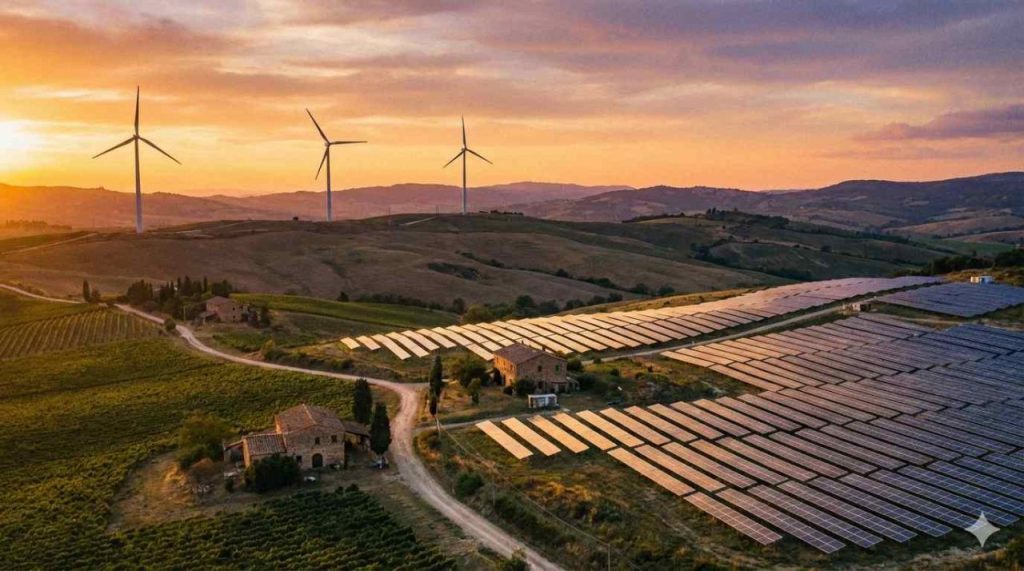
The most significant confirmed technological milestone of 2025, as recognized by the scientific community, is the unstoppable surge of renewable energy, which for the first time surpassed coal as a source of electricity worldwide [2]. This monumental shift represents a critical turning point in the global effort to mitigate climate change and transition away from fossil fuels. The momentum was driven primarily by the rapid, scaled-up deployment of solar and wind power, which collectively grew fast enough to cover the entire increase in global electricity use during the first half of the year [3].The economic and manufacturing dominance of nations like China in producing solar cells and wind turbines has driven down costs to unprecedented levels, making renewable energy the most economically viable option in many regions globally. This has led to a democratization of power, particularly in developing nations where small-scale, rooftop solar systems now provide a cheap and reliable source of energy for millions [4].
The AI-Driven Revolution in Health and Discovery
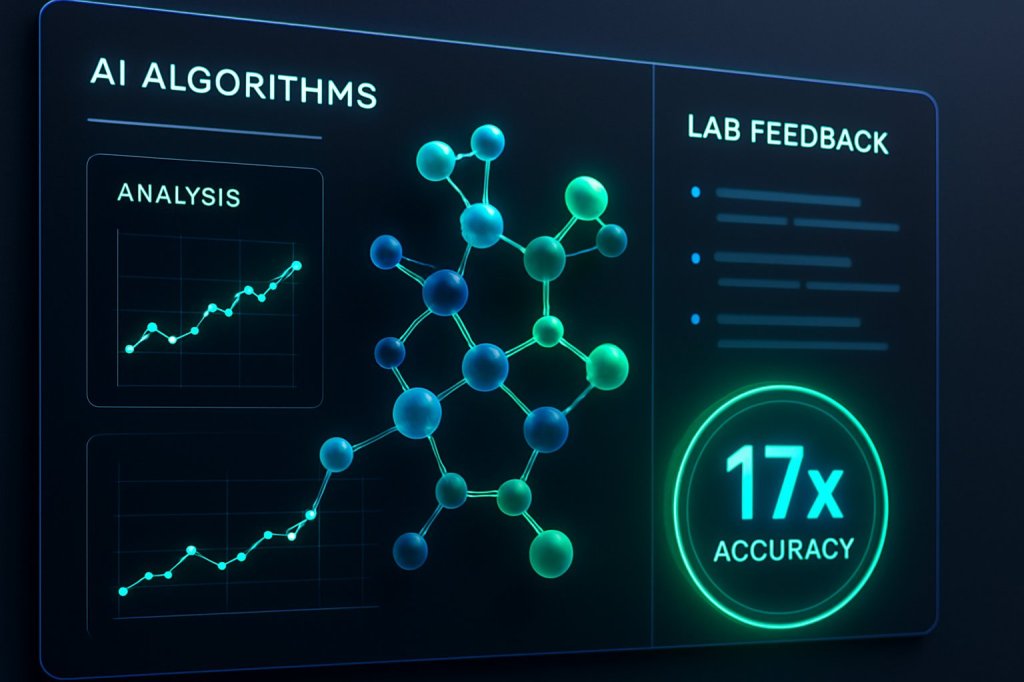
The convergence of artificial intelligence (AI) and life sciences has yielded transformative medical and biological milestones in 2025. This year saw AI move beyond predictive modeling to actively participating in the scientific process, leading to tangible results in drug discovery and therapeutic development [6].AI in Drug Discovery and Personalized MedicineAI algorithms demonstrated a significant leap in efficiency, with models achieving a 17-fold increase in accuracy for predicting effective drug candidates compared to traditional methods [7]. This acceleration is crucial for tackling complex diseases and developing personalized treatments. Furthermore, the year brought promising clinical data for an Alzheimer’s vaccine and the approval of new long-acting HIV prevention medications, both of which benefited from AI-accelerated research pipelines [8].
Gene Editing and Xenotransplantation Milestones
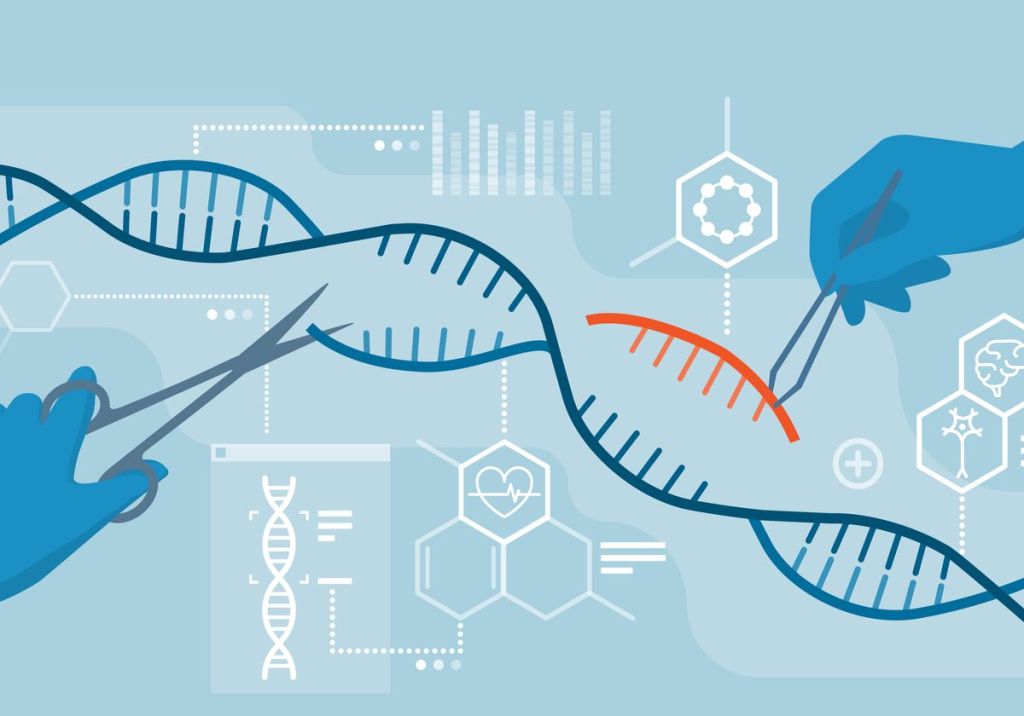
In the realm of genetics, the development of a revolutionary gene-editing platform by Dr. David Liu, which precisely corrects genetic mutations, was recognized with the 2025 Breakthrough Prize in Life Sciences [9]. This technology, known as Base Editing, offers a more precise and safer alternative to earlier CRISPR methods, holding immense promise for treating ultrarare genetic diseases.Concurrently, the field of xenotransplantation—the transplantation of organs from one species to another—set new records. Advances in genetic modification of donor animals, primarily pigs, led to the longest-ever functional survival of a xenotransplanted organ in a human recipient, moving this life-saving technology closer to clinical reality [10].
Exploring the Cosmos and Our Origins
The global scientific community also made profound strides in understanding the vastness of space and the deep history of human evolution.
The All-Seeing Eye on the Sky
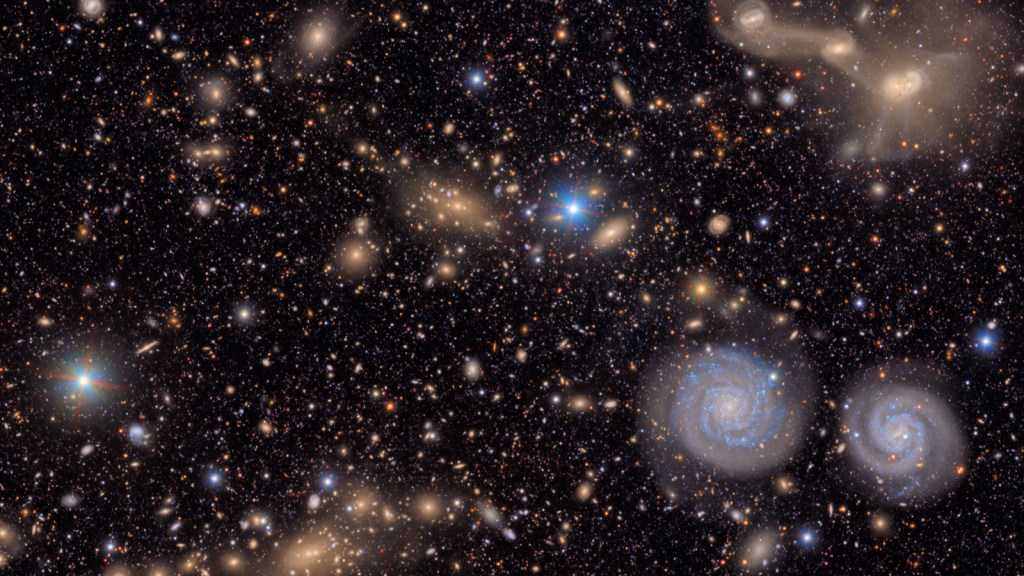
The year 2025 marked the operational debut of the Vera C. Rubin Observatory in Chile, which began its Legacy Survey of Space and Time (LSST) [11]. Described as the “all-seeing eye on the sky,” the observatory’s massive camera and wide field of view are generating the most detailed movie of the night sky ever made. This unprecedented data stream is expected to revolutionize cosmology, dark matter research, and the discovery of transient astronomical events, such as supernovae and near-Earth asteroids [12].
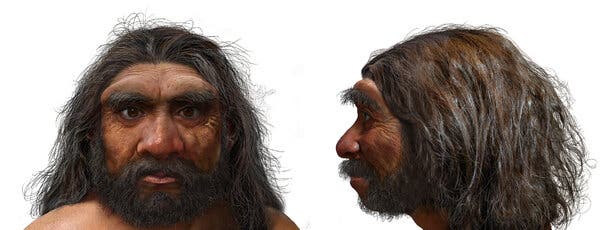
A Face from the Past: Denisovan Reconstruction
In paleoanthropology, a significant milestone was achieved with the most detailed reconstruction yet of the Denisovan face [13]. Denisovans are an extinct species of archaic human, closely related to Neanderthals, known primarily from fragmented remains. By utilizing advanced computational methods and genetic data, researchers were able to create a high-resolution model of the Denisovan skull and facial features, providing a tangible link to a mysterious branch of the human family tree and offering new insights into the complexity of human origins [14].
Conclusion
The confirmed scientific and technological milestones of 2025 paint a picture of a world rapidly advancing on multiple fronts. From the critical energy transition that promises a sustainable future to the precision of AI-driven medicine and the deepening of our cosmic and historical knowledge, these achievements represent the best of global scientific collaboration. These breakthroughs are not merely academic successes; they are foundational steps toward a healthier, more sustainable, and more informed future for all of humanity.
 Metropolitan